Despite already having a Romanian teacher in the city (had it not been for Magda’s enthusiastic and encouraging cheerleading, I would quite possibly never have embarked on this odyssey) the realisation that I had only three short weeks in which to push myself over the mental hill blocking my progress in spoken Romanian, made finding other tutors an imperative.
And I am glad I did, because Magda is a very busy woman, both as an online Romanian teacher, as well as a lecturer at the Facultatea de Medicină Dentară (Faculty of Dentistry) at the University of Iași, which does not leave much time for babysitting middle-aged language tourists.
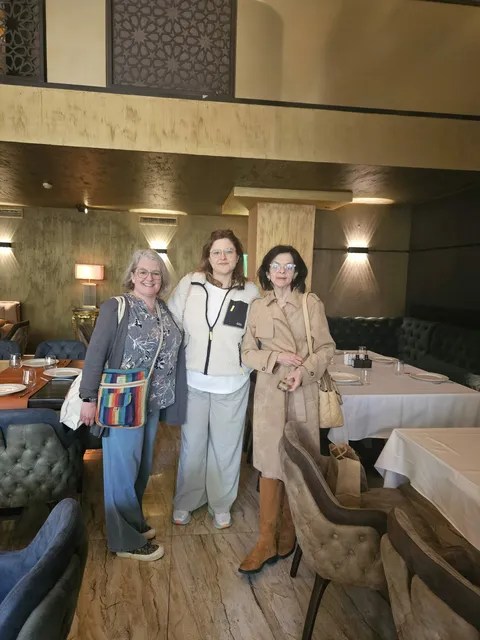
Magda and I did manage to spend some time together, however. After her kind intervention with my airport-to-accommodation transport issues, our first get-together took place when she arrived outside my building a few hours later, all set to take me out for a spot of sightseeing. Having communicated with her on an almost weekly basis for over eighteen months, it was lovely to finally meet in person. I would say face to face, except that she turned out to be considerably taller than she had appeared when sitting at her computer, and so I was forced to crane my neck a bit.
Bursting with energy, a state seemingly common to most Romanian women, she marched me down through the recently inaugurated Parcul Operei – a beautiful space combining water features, lawns, seating and statues, with the opera house at one end, and the cathedral at the other – and onto the fabulous pedestrian street of Bulevardul Ștefan cel Mare și Sfânt.
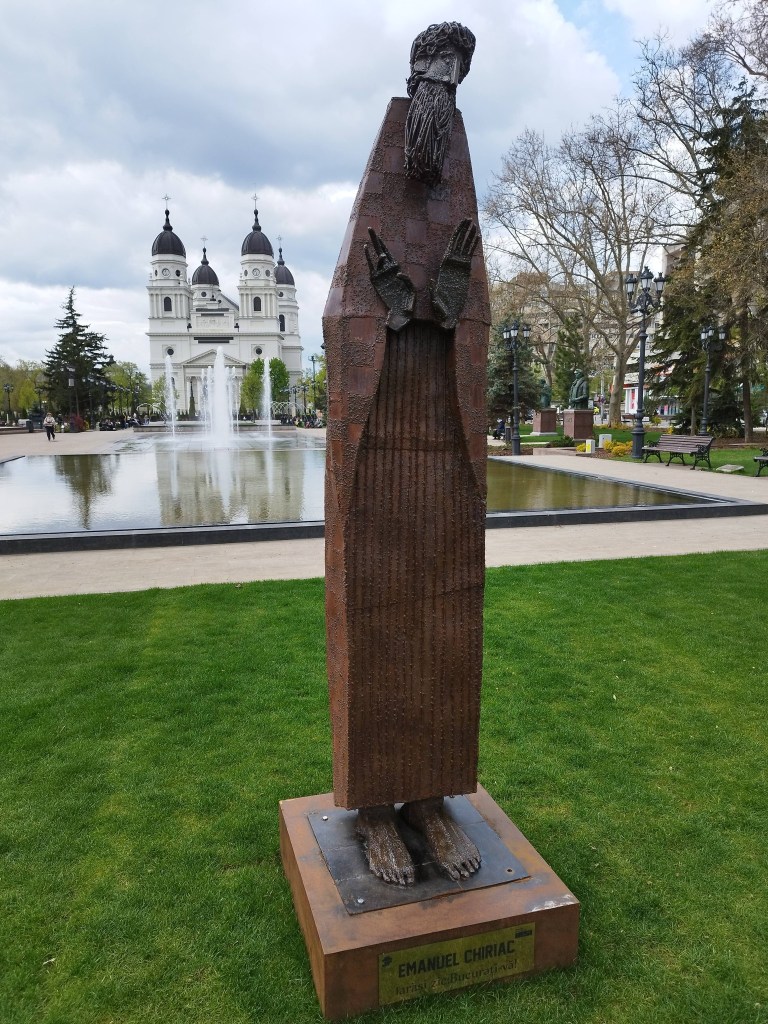
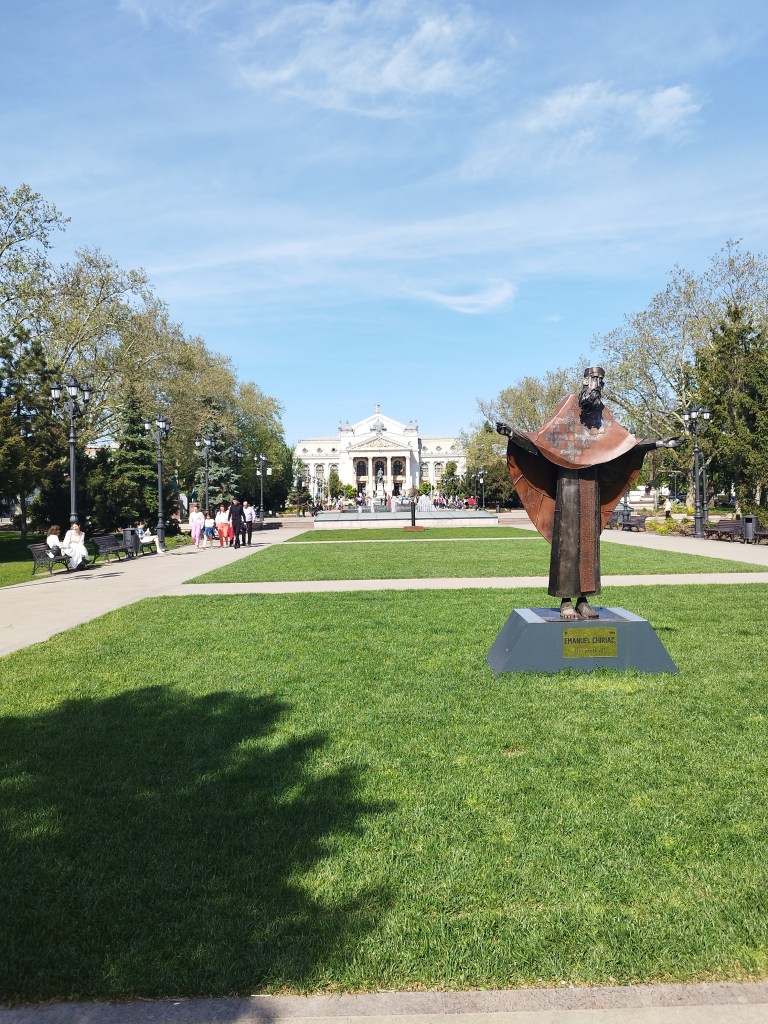
Within only a few minutes of setting off, I was already besotted. Magda had not exaggerated: Iași was going to be the perfect location for the daily interactions I desperately needed in order to gain fluidity in the language. It was young and vibrant, bursting with activity, and displaying an impressive choice of coffee shops with pavement terraces on which I could already see myself settling to partake of o cafea, eavesdrop on surrounding local chitchat and badger the waiting staff into conversation.
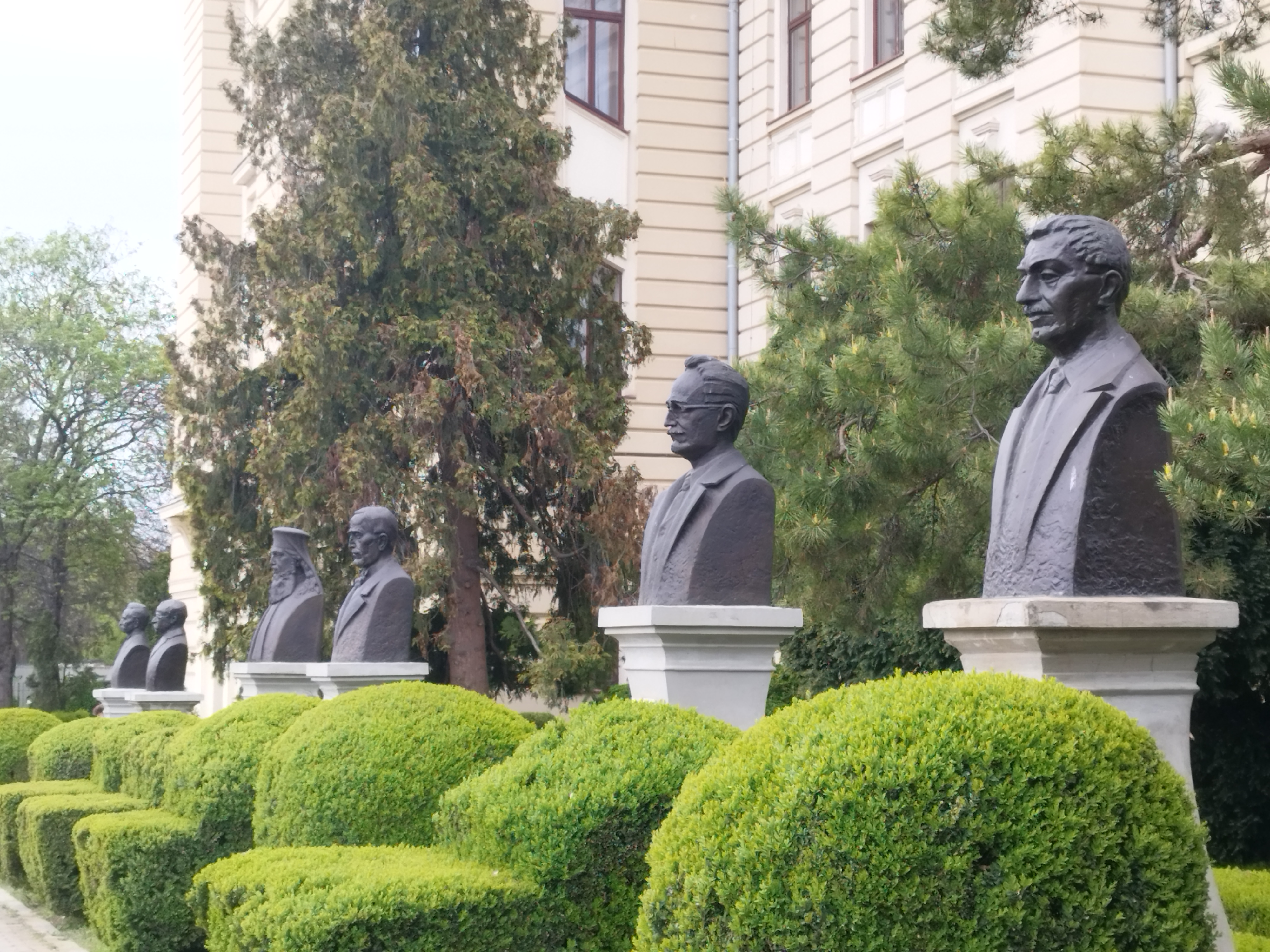
That afternoon’s tour was more whistle-stop than leisurely: a route march along Ștefan cel Mare, over Strada Palat, past the statue sculpted by Magda’s grandfather, around the Palatul Culturii passing the Palas Mall on our left, a tram ride that took us goodness knows where but eventually took us over Piața Mihai Eminescu, up Bulevardul Carol I and spat us out on the pavement opposite the beautiful Universitatea Alexandru Ioan Cuza.
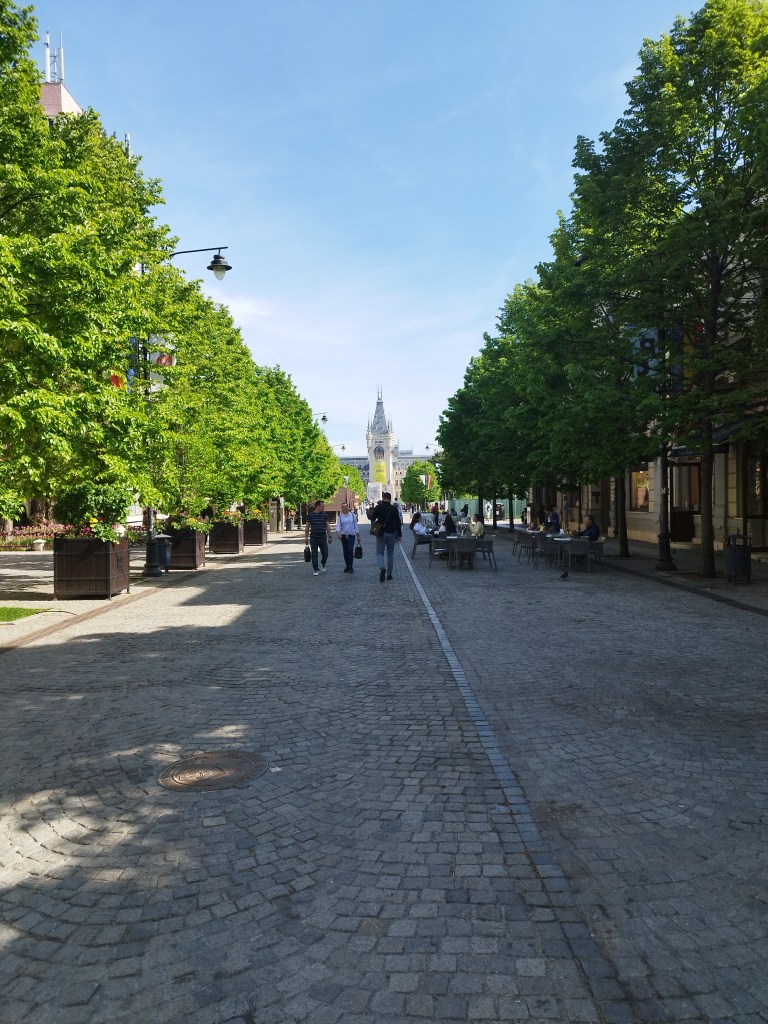
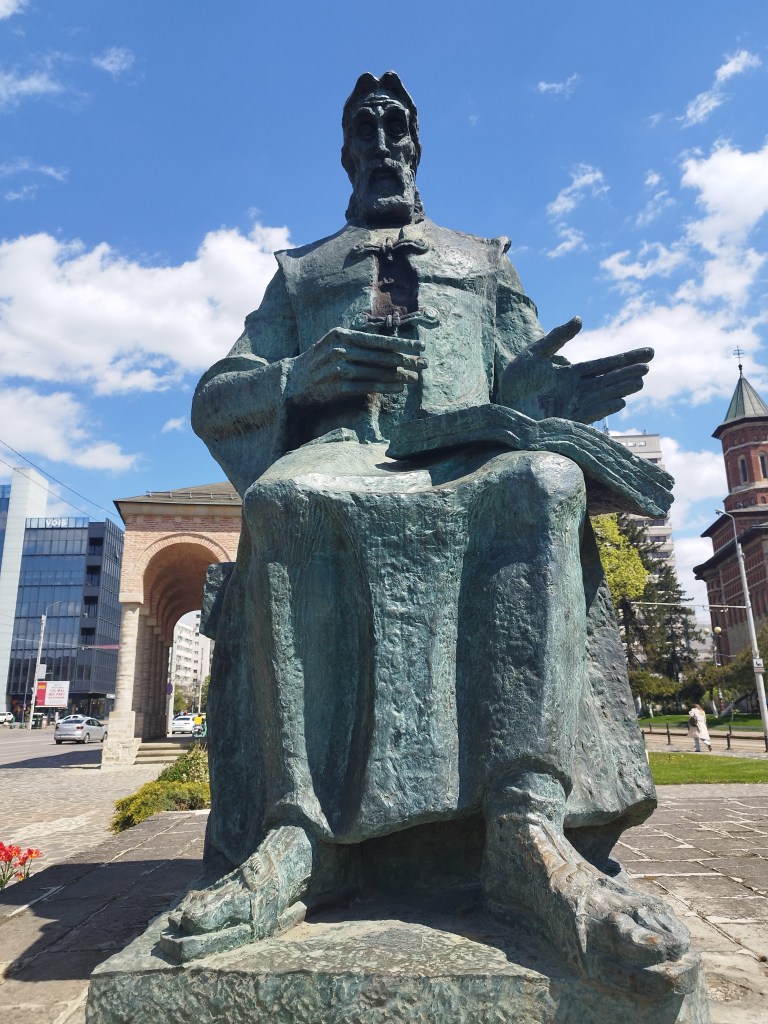
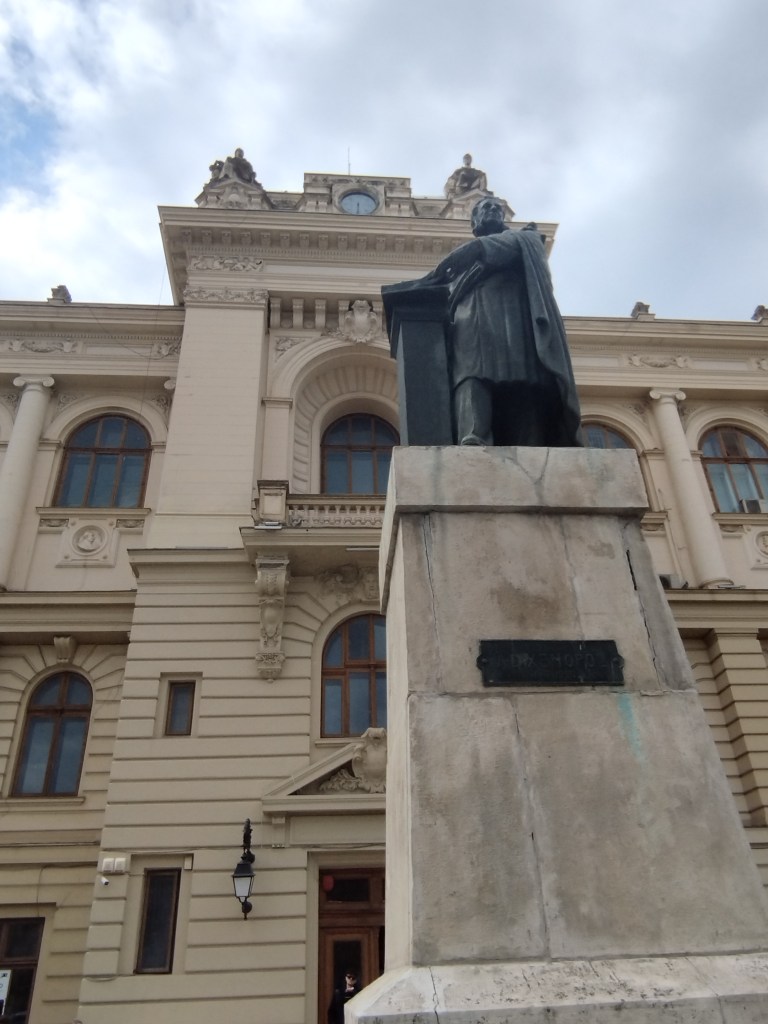
Fast-paced it may have been, but it laid the foundations for my mental map of the city and dispelled any lingering doubts I might have had about the wisdom of the trip: it was clear that this adventure was going to be a good one.
Signing up for twice-weekly lessons with Madalina the next day only added to that satisfying feeling of purpose, but it was to be Andreea who took on the bulk of my Romanianisation.
Having obtained a degree in German, Andreea had been halfway through her Masters when she was offered the opportunity to participate in an exchange programme between the University of Iași and the University of Konstanz, in southwest Germany. Although her initial language teaching experience had been in Romanian, she was soon offered a permanent position teaching German to foreign students attending the University of Konstanz.
Fortunately for me, by the time I arrived in Romania, Andreea – having gone on to spend ten years in Germany – was back home working as an online German and Romanian teacher. Even more fortunately for me, she had undertaken studies in neurolanguage coaching, giving her the necessary tools to adapt her teaching methods to suit the learning requirements of each individual student’s hippocampus.
I was overjoyed to realise that grammar was not going to be the central doctrine of our interactions. My attempt at describing how my brain deals with new languages (i.e. first acquiring a “framework” through complete immersion in the manner of a newborn baby, before gradually shoring the structure up with grammatical and lexical bricks, acquired layer at a time, as fluency improves) had not fazed her in the slightest, and, initial meet and greet out of the way, I was immediately marched off to employ my Romanian in the most practical way possible: a visit to the supermarket.
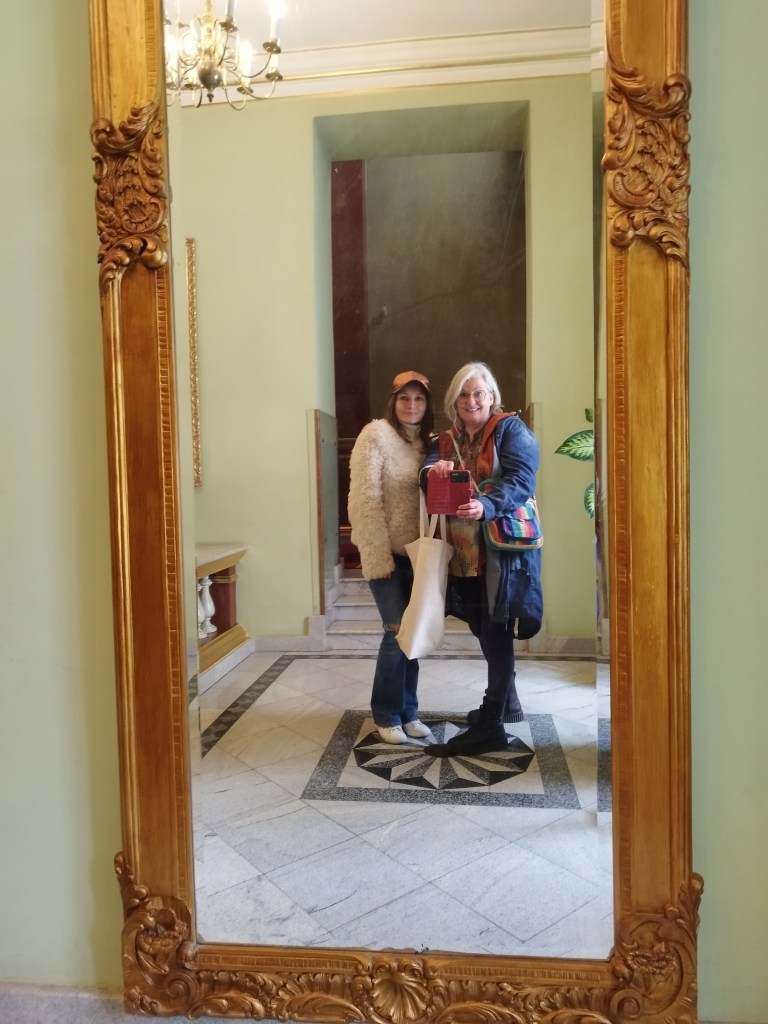
Given that age has rendered me significantly less sociable and infinitely more socially awkward than when setting out on my first adventures in language tourism over thirty years ago, it was a huge relief when Andreea and I connected almost immediately. A love of languages, an allergy to conventional lifestyles, and various other commonalities ensured we were soon laughing and chatting our way through the maze of streets leading us to the delights of the Romanian shopping experience.
(Kaufland is a German supermarket chain, actually – oh the joys of multinationalism).
Most of my prior Romanian-speaking experience, online lessons not included, had been with my in-laws. And while they were always exuberantly over-complimentary about anything I managed to spit out, I suspect they took my efforts more in the spirit of a party trick or entertaining novelty, and less as a serious attempt at communication. Further complicating such encounters was my husband, whose presence always, yet inadvertently, rendered me awkward and tongue-tied (as I know mine did him in his early days as an English speaker). It also provided all parties with the perfect excuse to bypass any potential embarrassment and/or second-hand embarrassment caused by my linguistic floundering: we simply defaulted to the interpreter/go-between skills he had honed over our fifteen years as a couple.
But navigating the fresh-produce aisles of Kaufland that day, while discussing the merits of organic versus not, the importance of considering food miles and the puzzle of why so many countries seem to export their best produce and leave the nasty-looking stuff for the locals, I realised that it was the first time I felt truly liberated while speaking Romanian.
Unpedantic with corrections, intuitive with linguistic stumbling blocks, and with a lightness of touch that rendered a didactical experience more akin to a common or garden (quirky little British idiom to delight my foreign readership) social interaction between friends: I had the growing hope that lessons with Andreea might see my mental barriers to Romanian progression disintegrate like polar ice caps in the face of climate change.
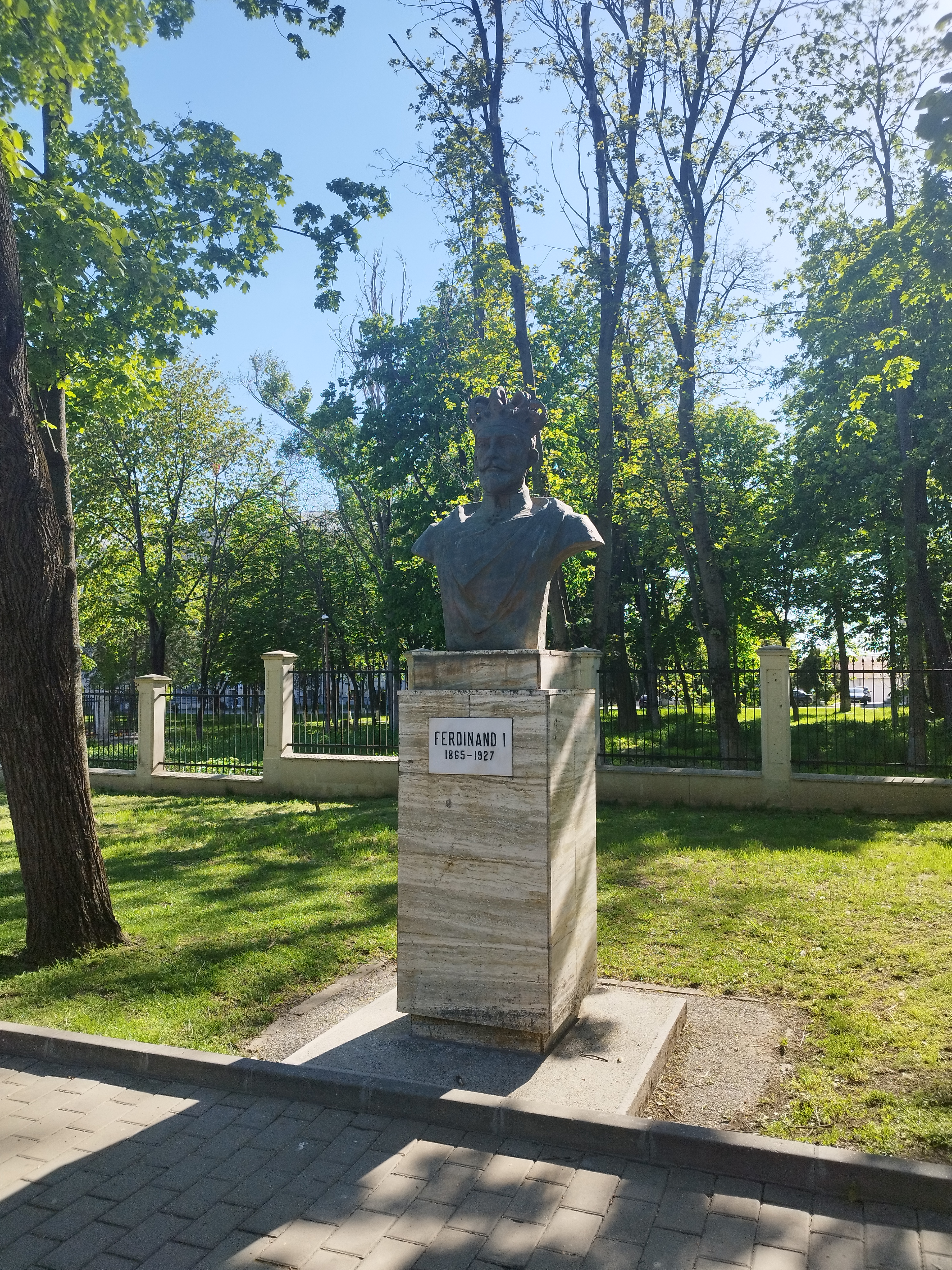
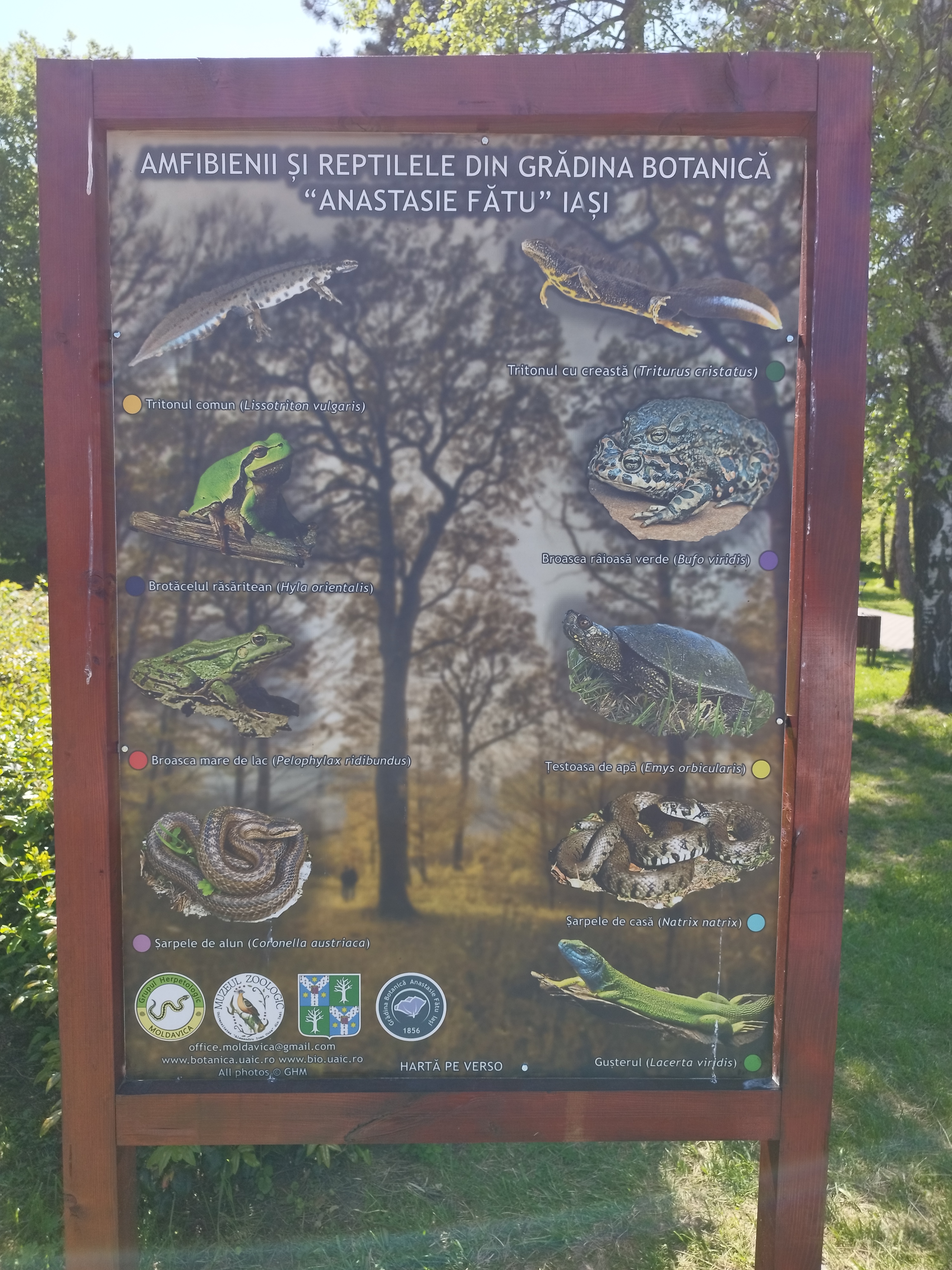
That initial supermarket experience was soon joined by other activities, some of which read rather like a language text book from my school days. We enjoyed visits to: the tourist information centre, the museum, the bookshop, the train station, the café… And others rather less so: a book fair, a couple of bars, the botanical gardens, a street market, a shopping centre, a flying visit to the university library to check opening times, a stall selling a plethora of items to amass funds for an animal charity and yet more sightseeing hikes around the city.
Between my three teachers: hours spent discussing anything and everything with Andreea gently steering, Madalina’s enthusiastic and very effective twice-weekly input at Lektor and a steady stream of Whatsapp messages interspersed with a few in-person meetings with no-nonsense Magda, and I felt I was at last on my way to becoming a conversant Româncă…
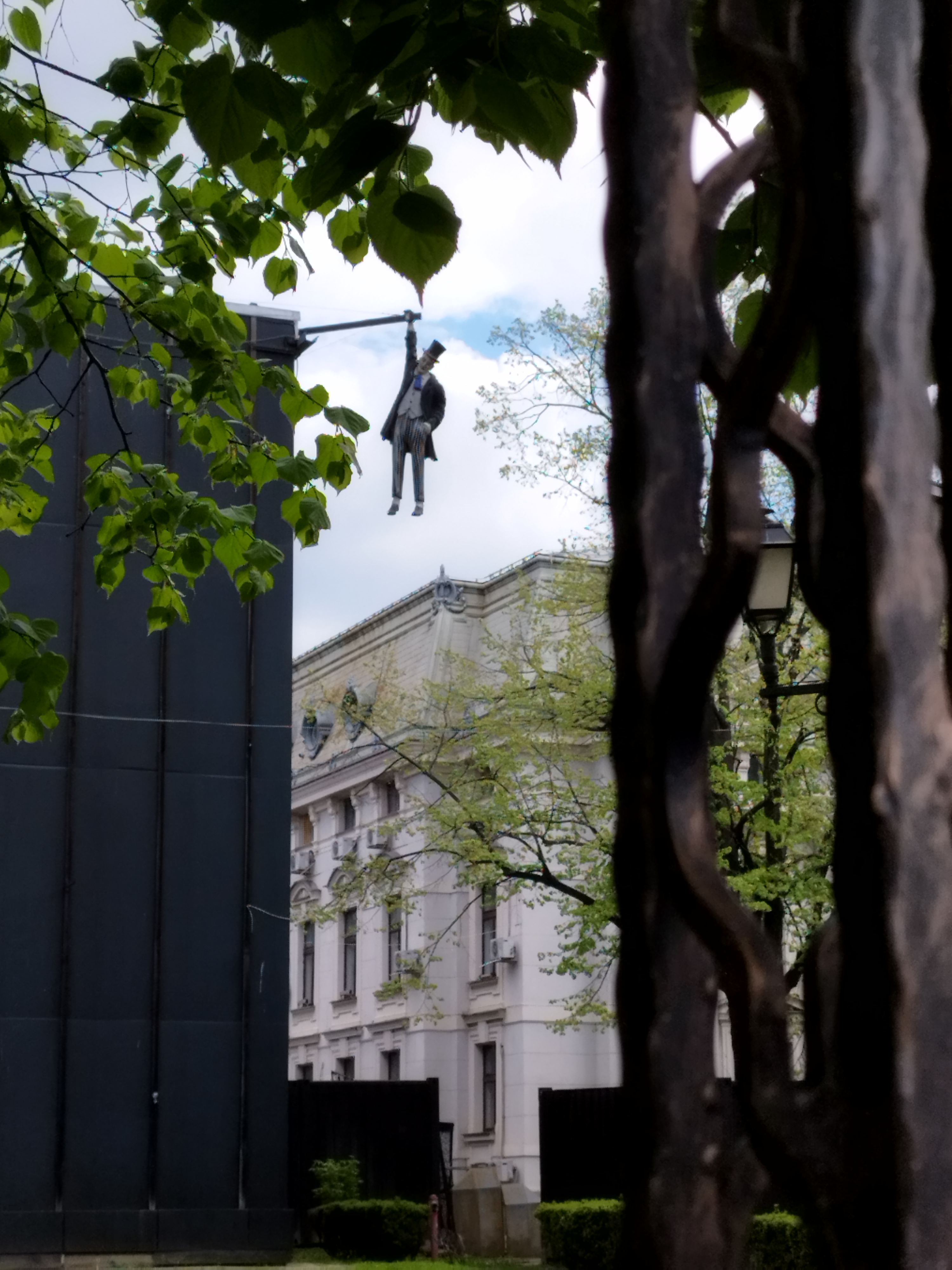
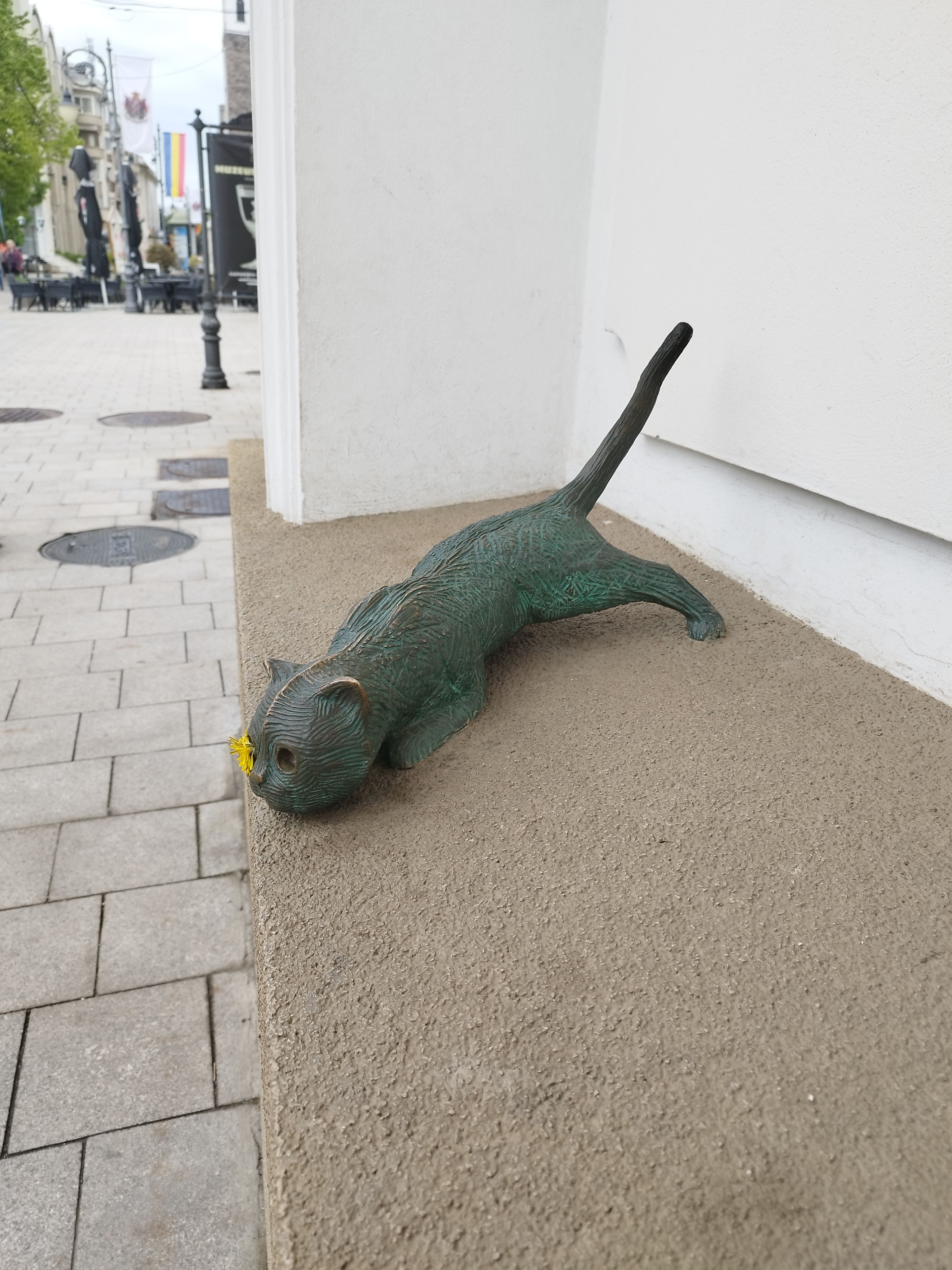
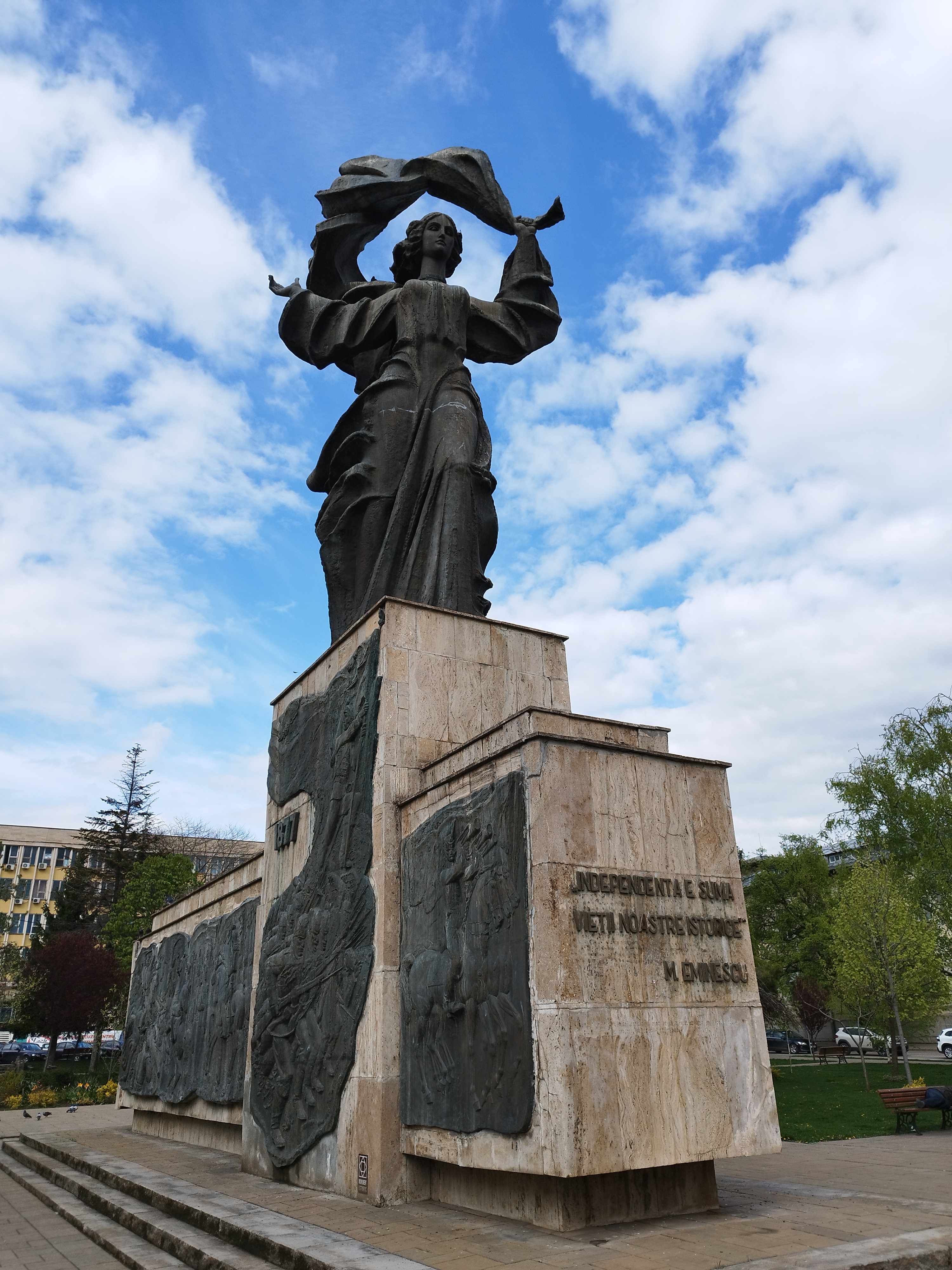
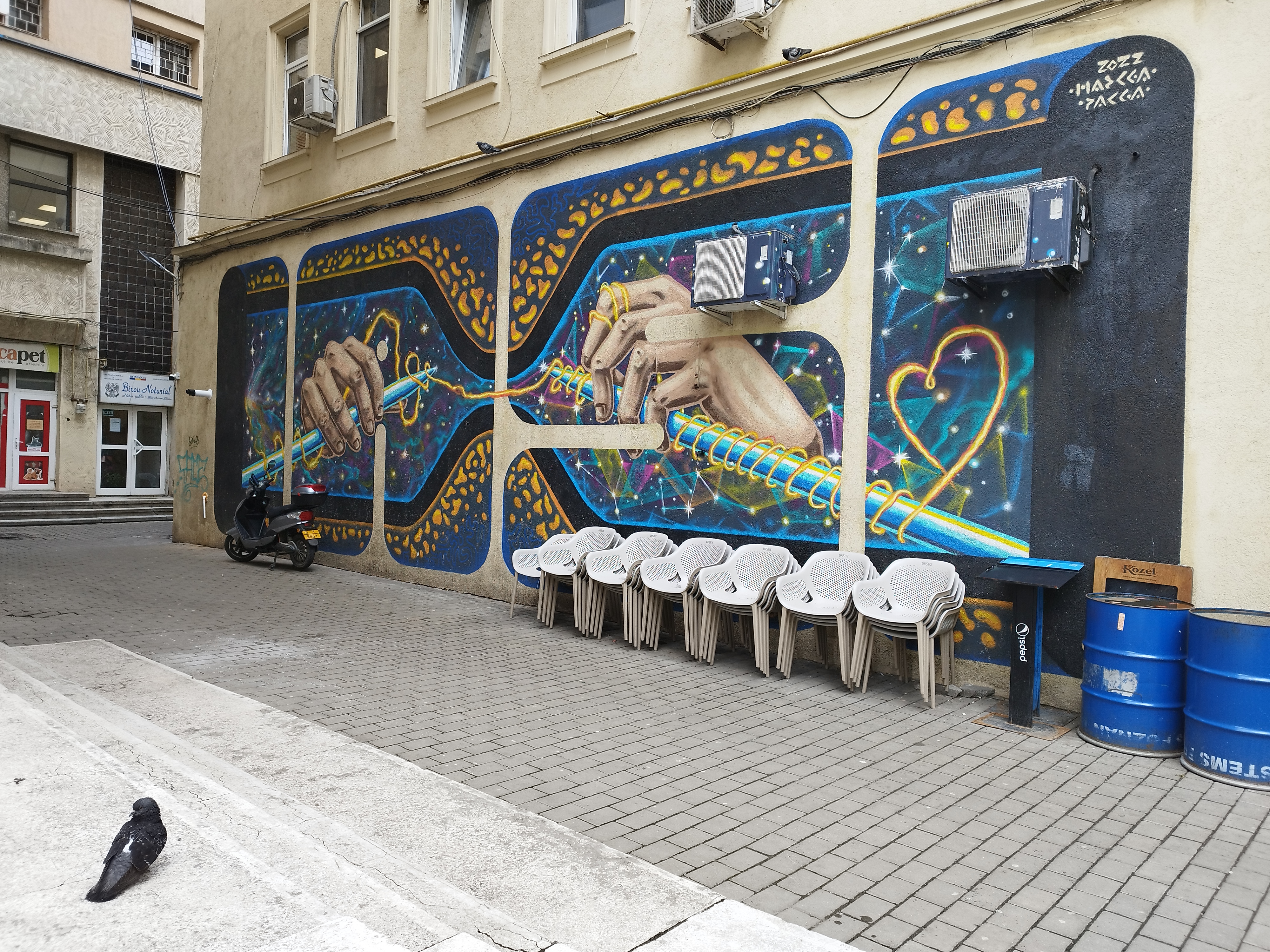
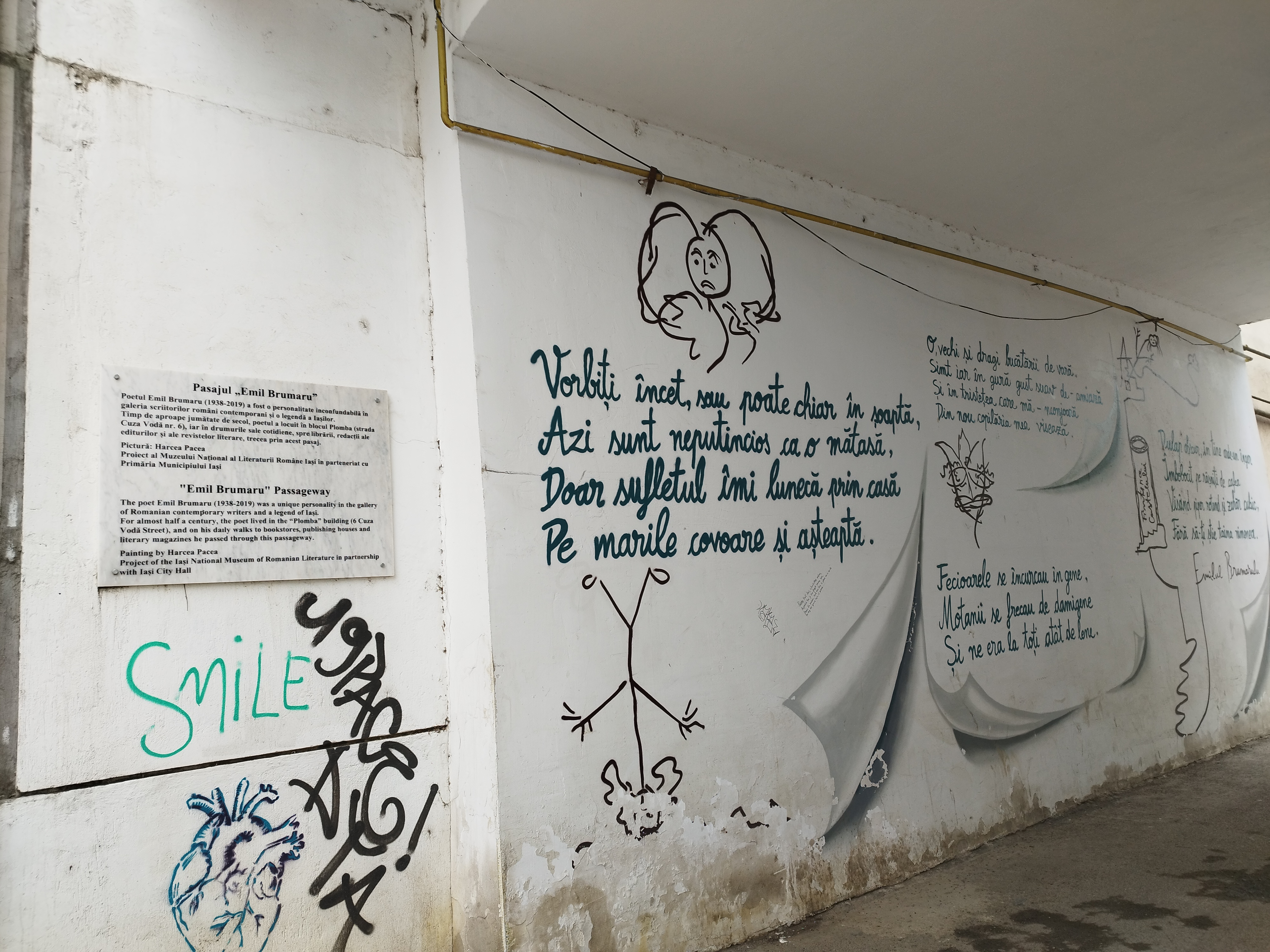
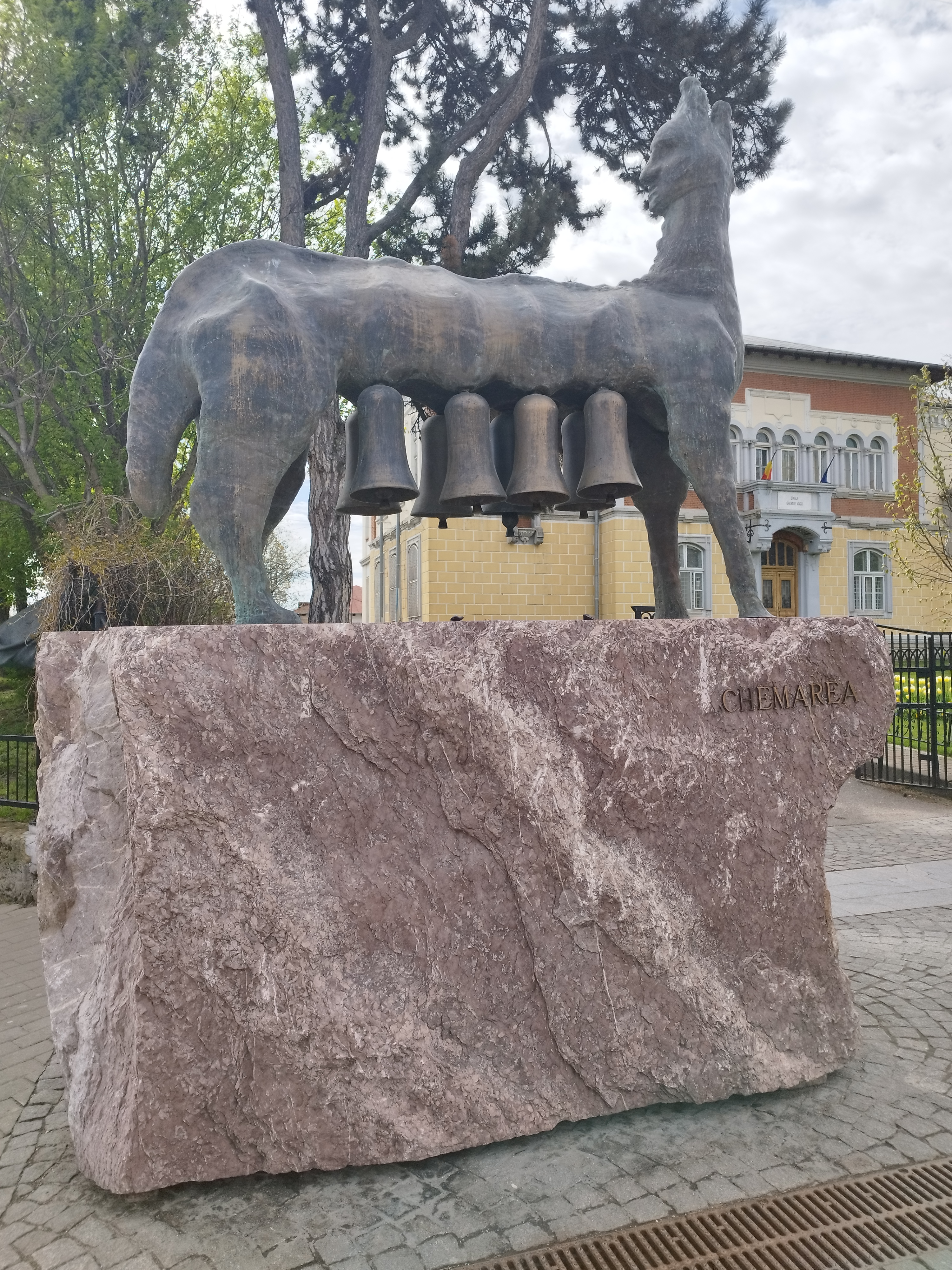
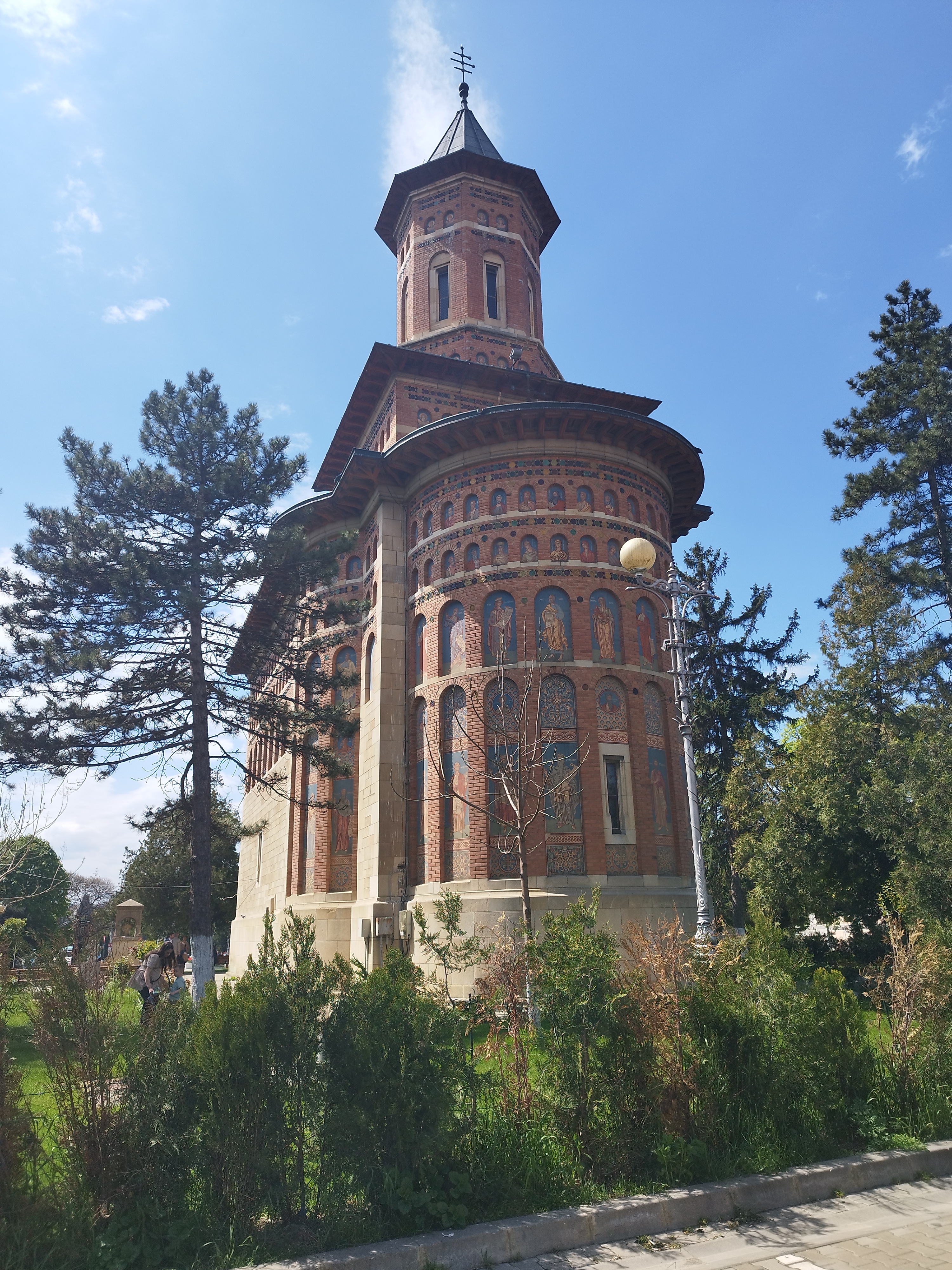
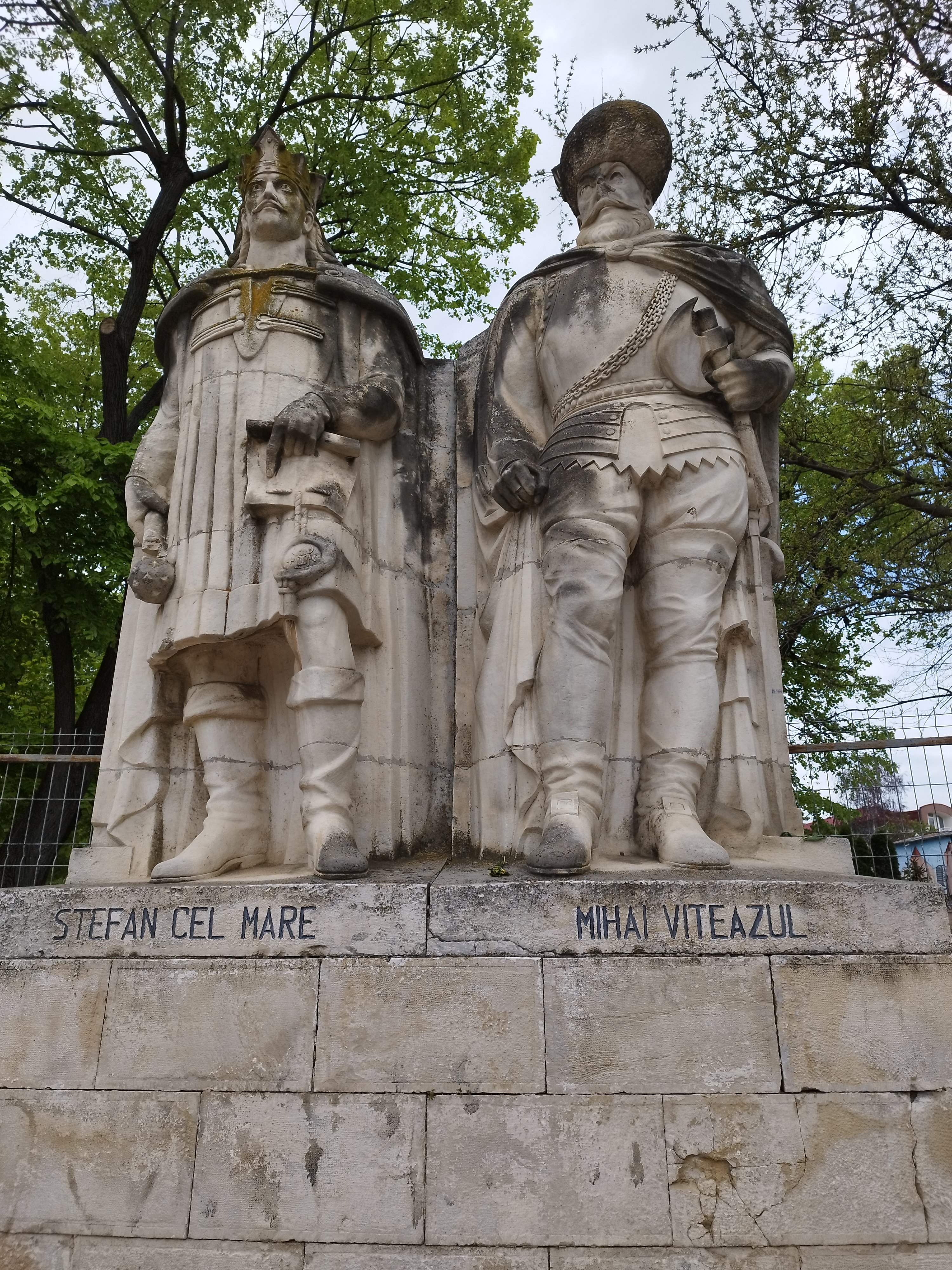
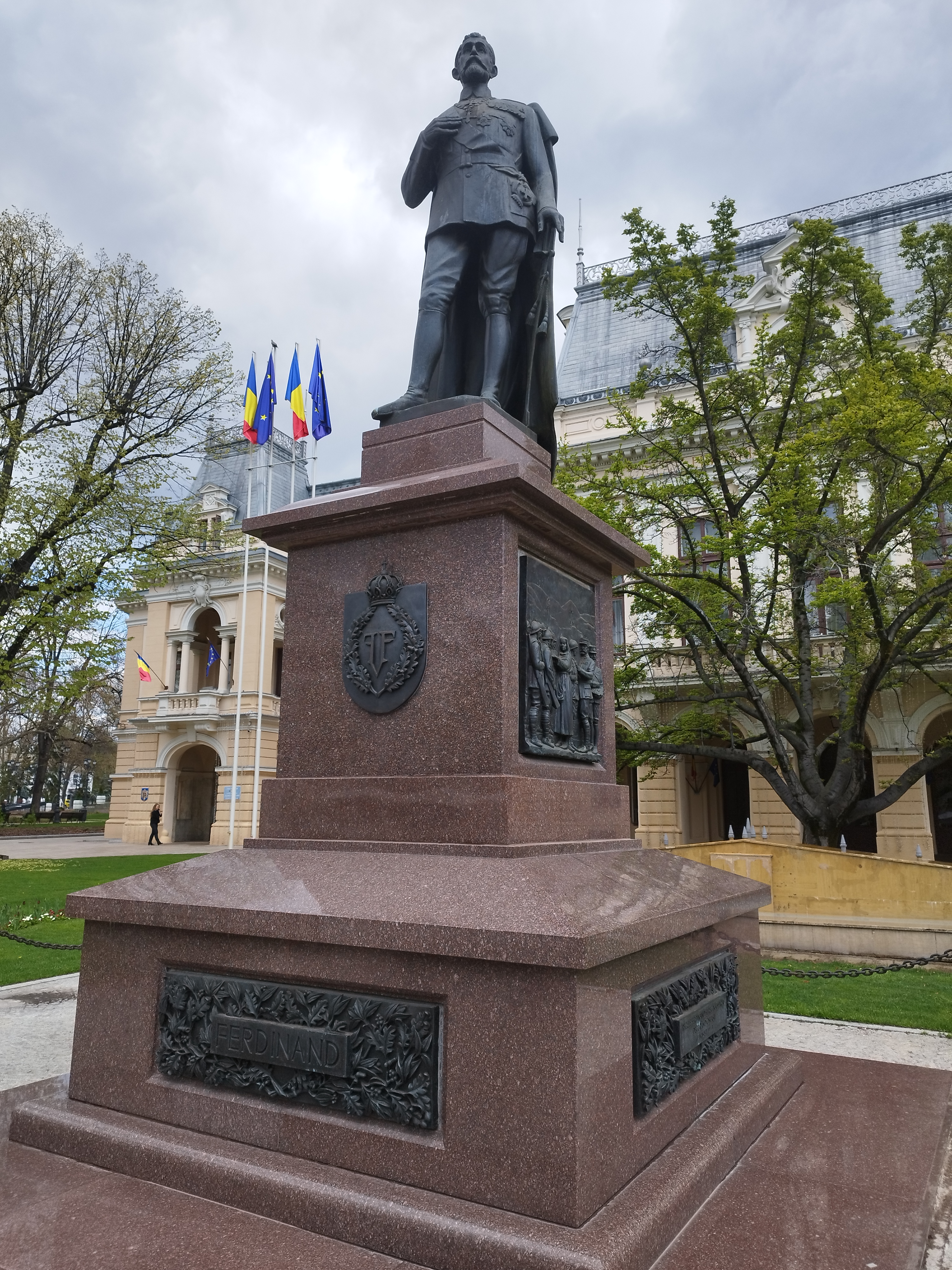
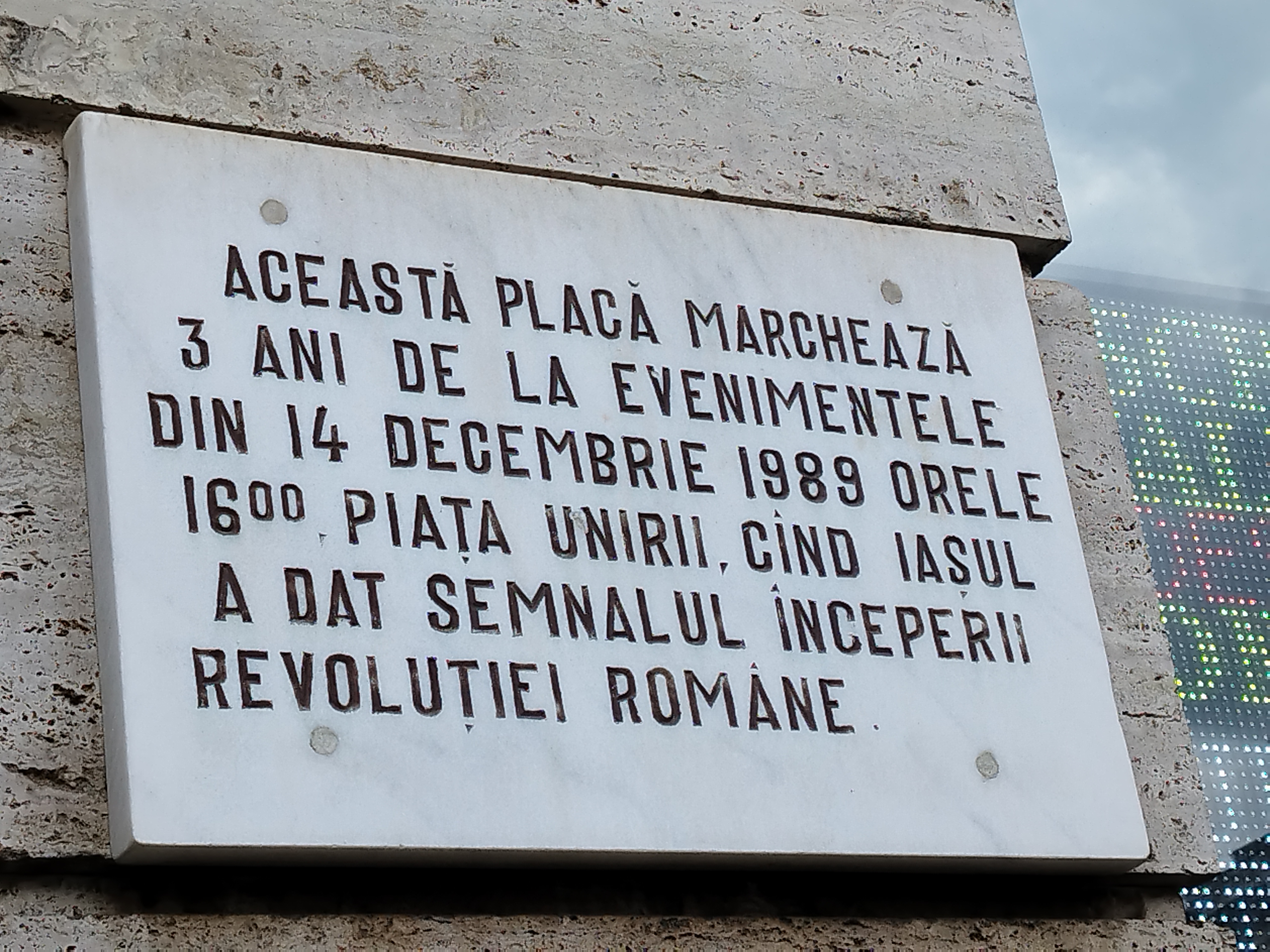
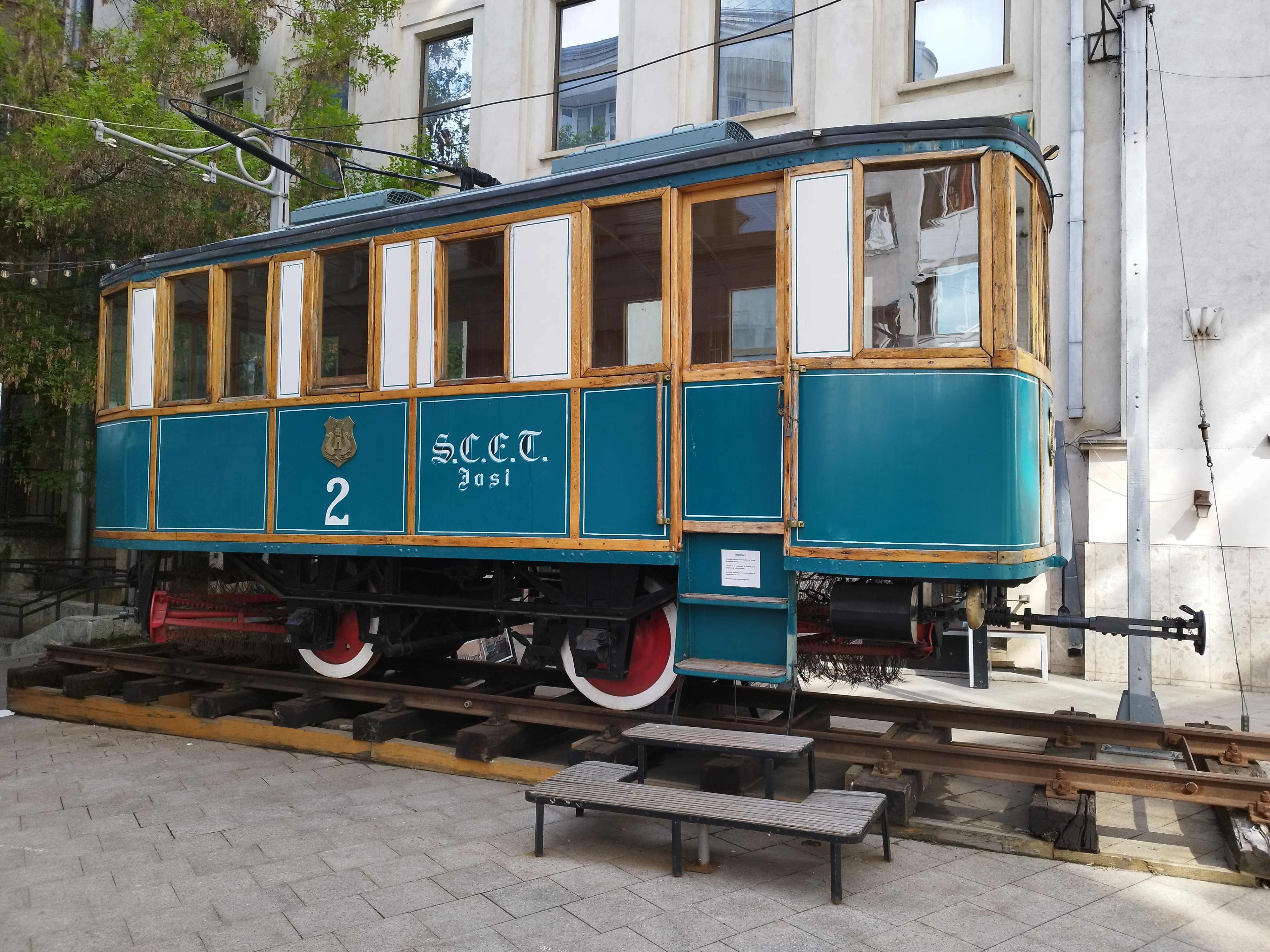
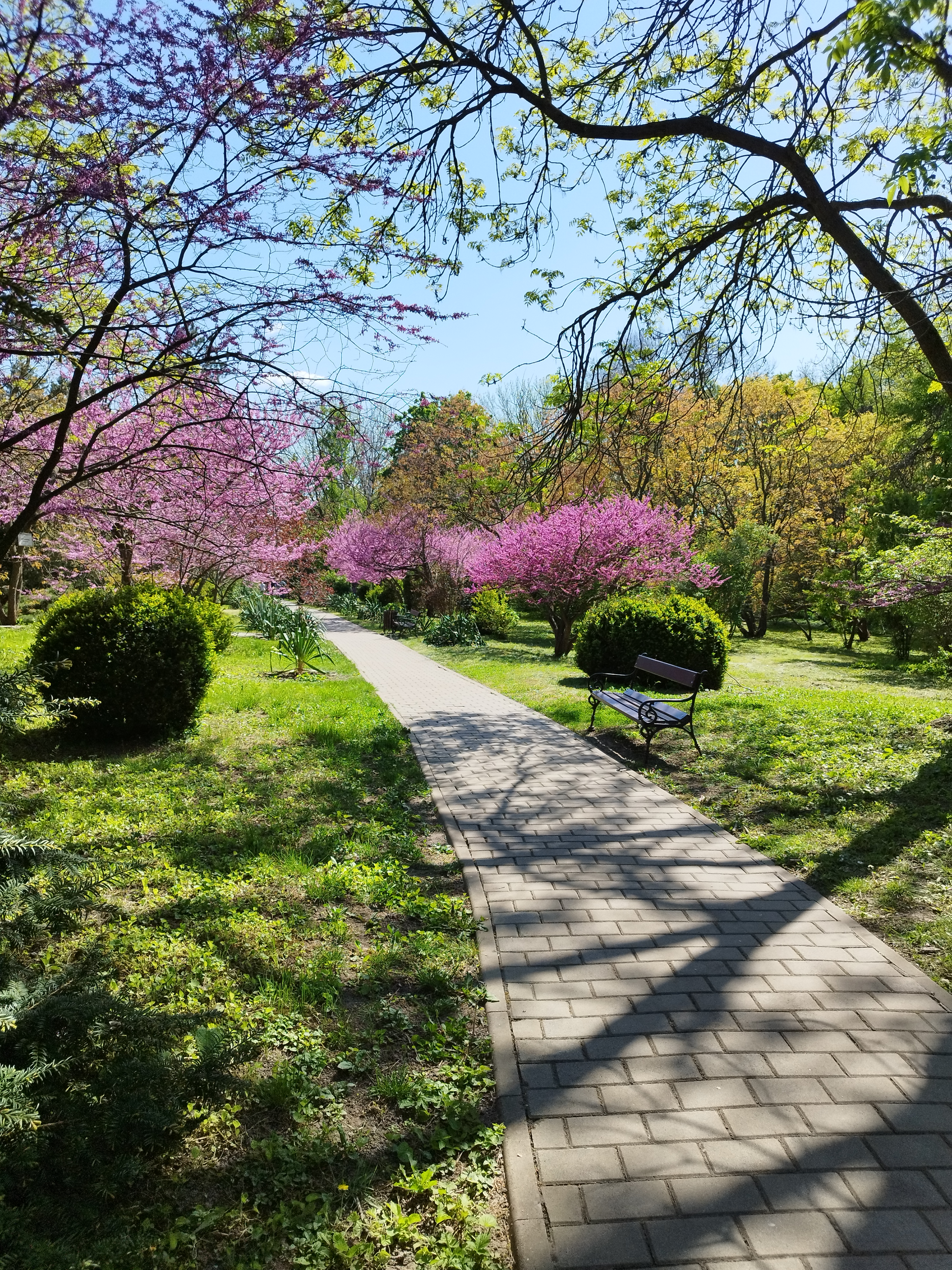
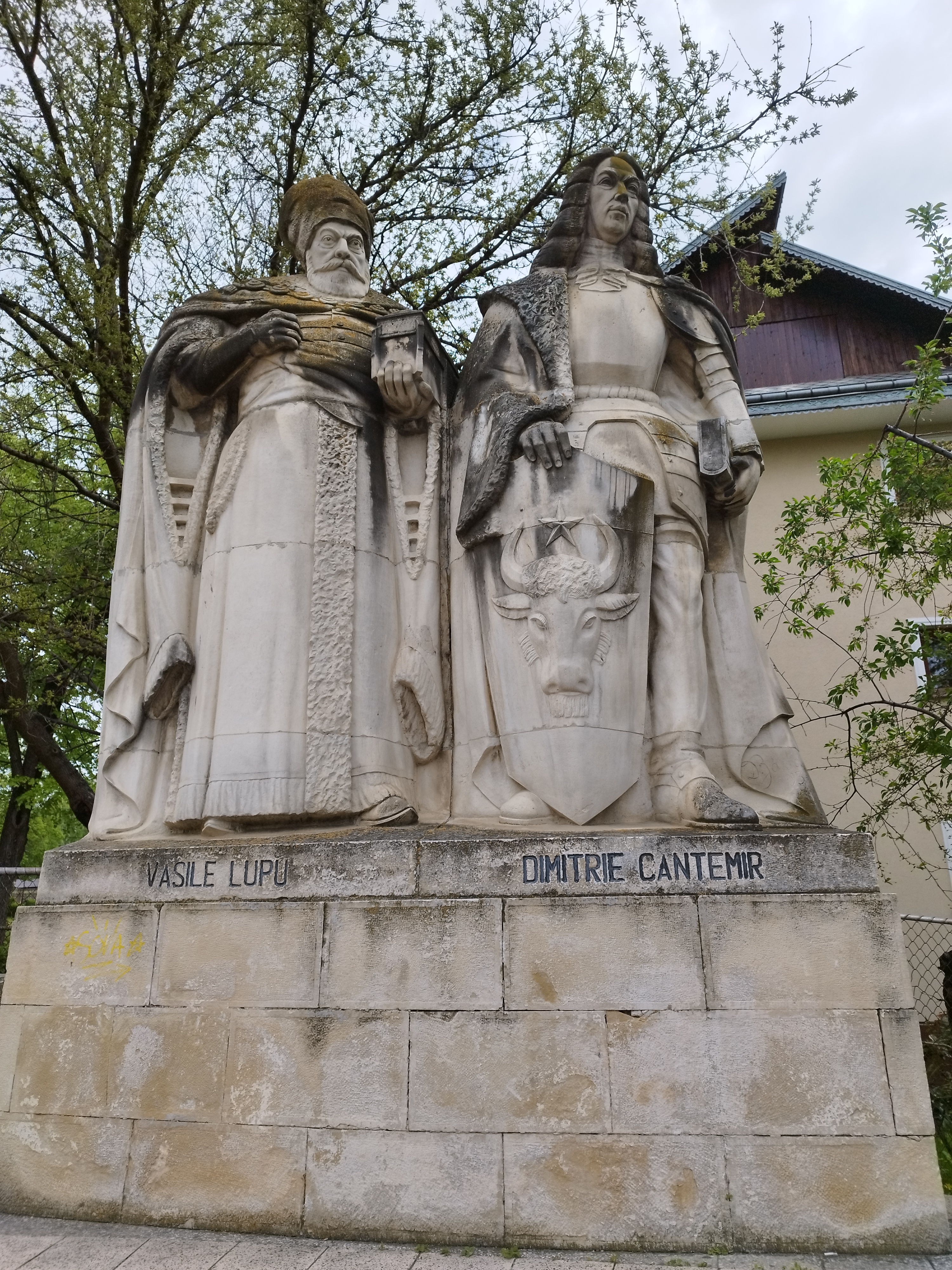
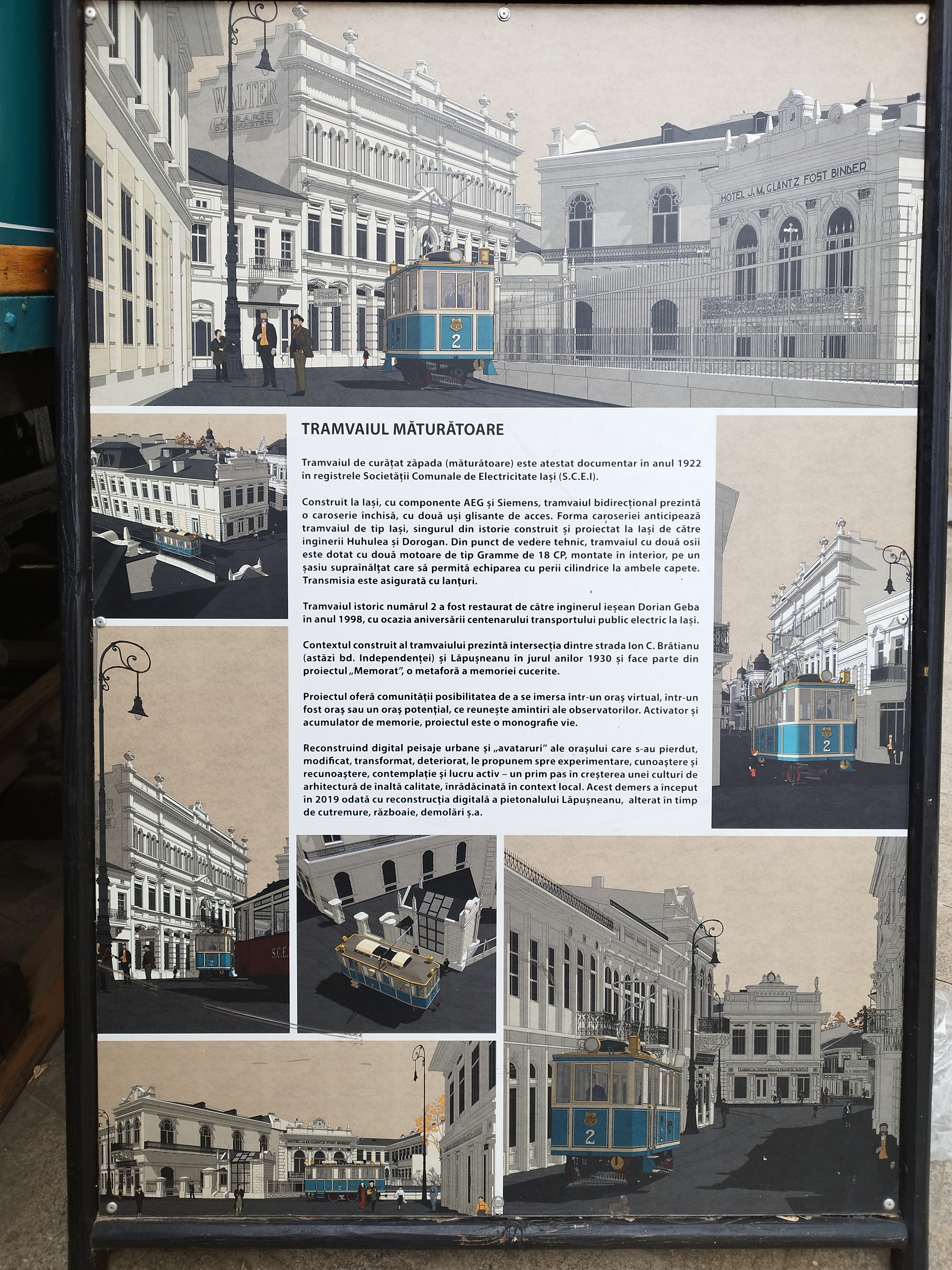
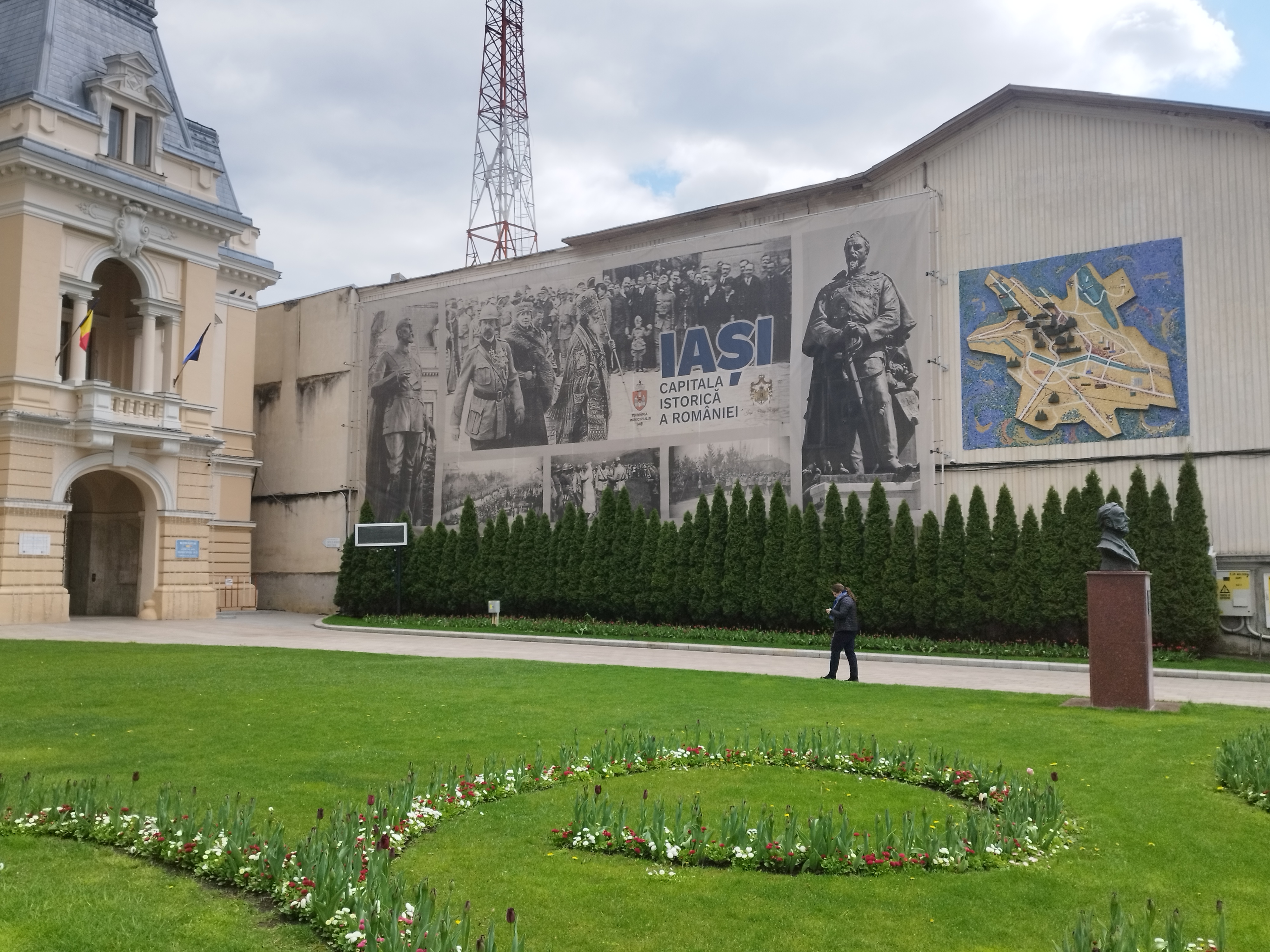
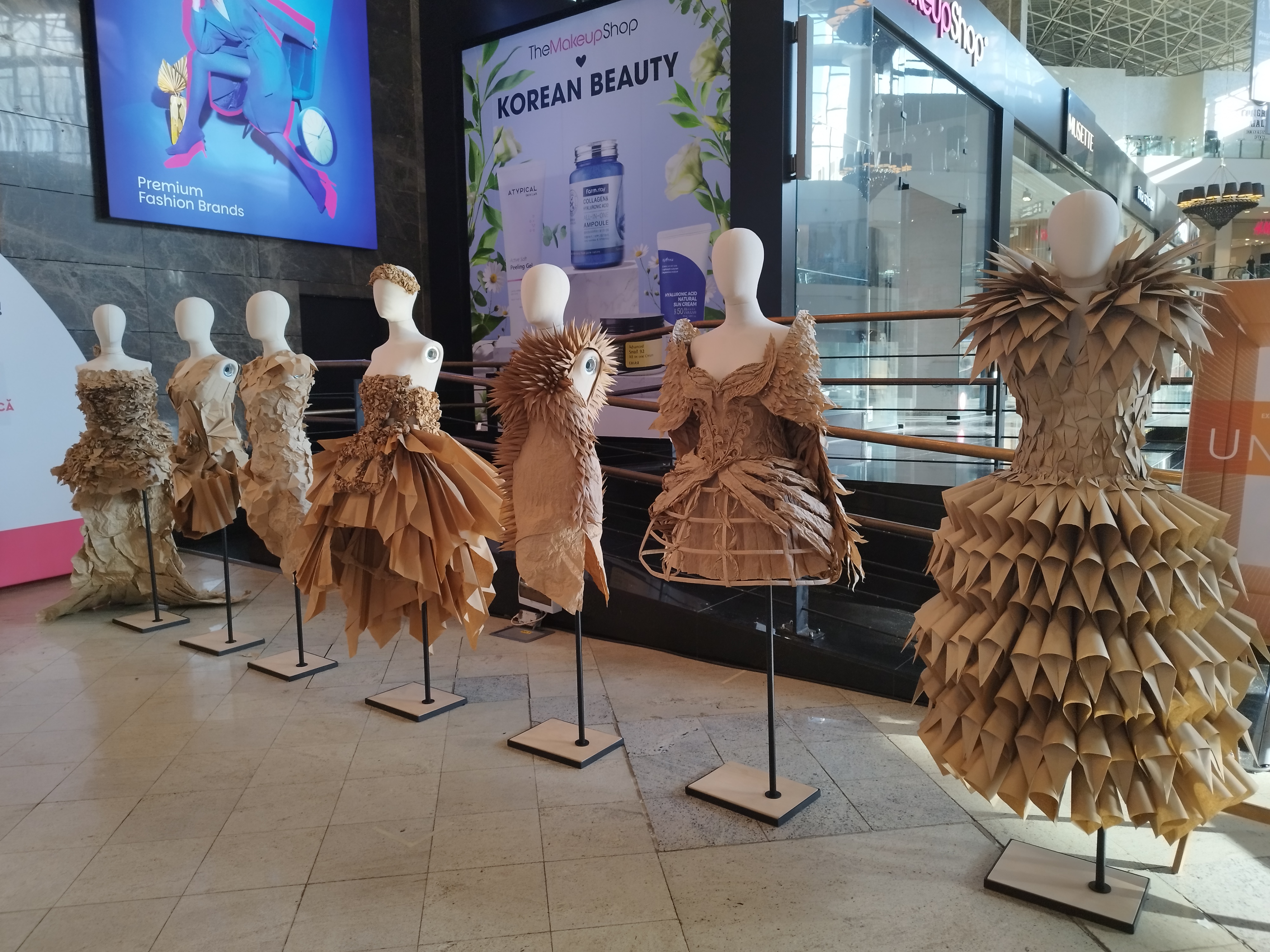
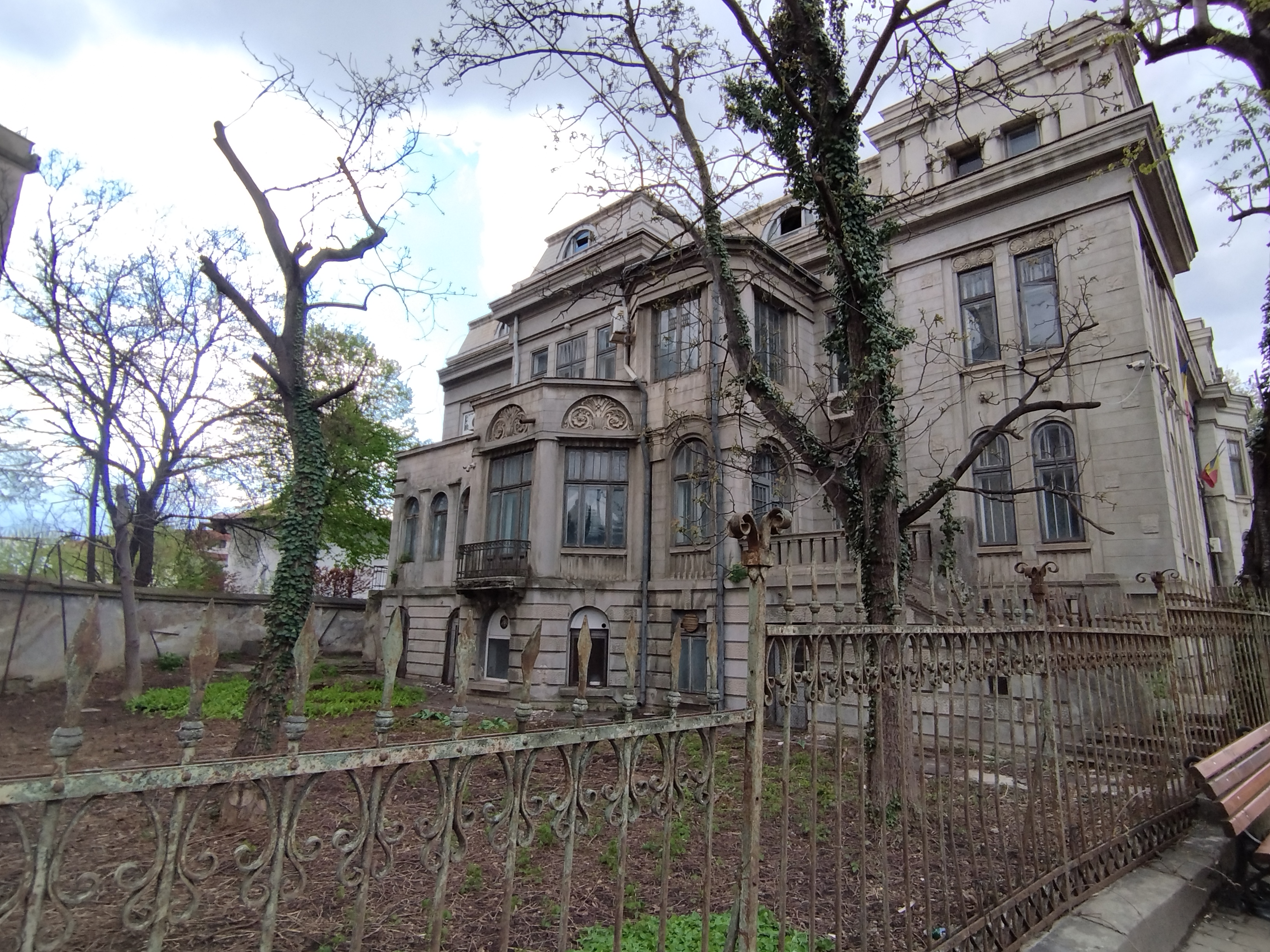
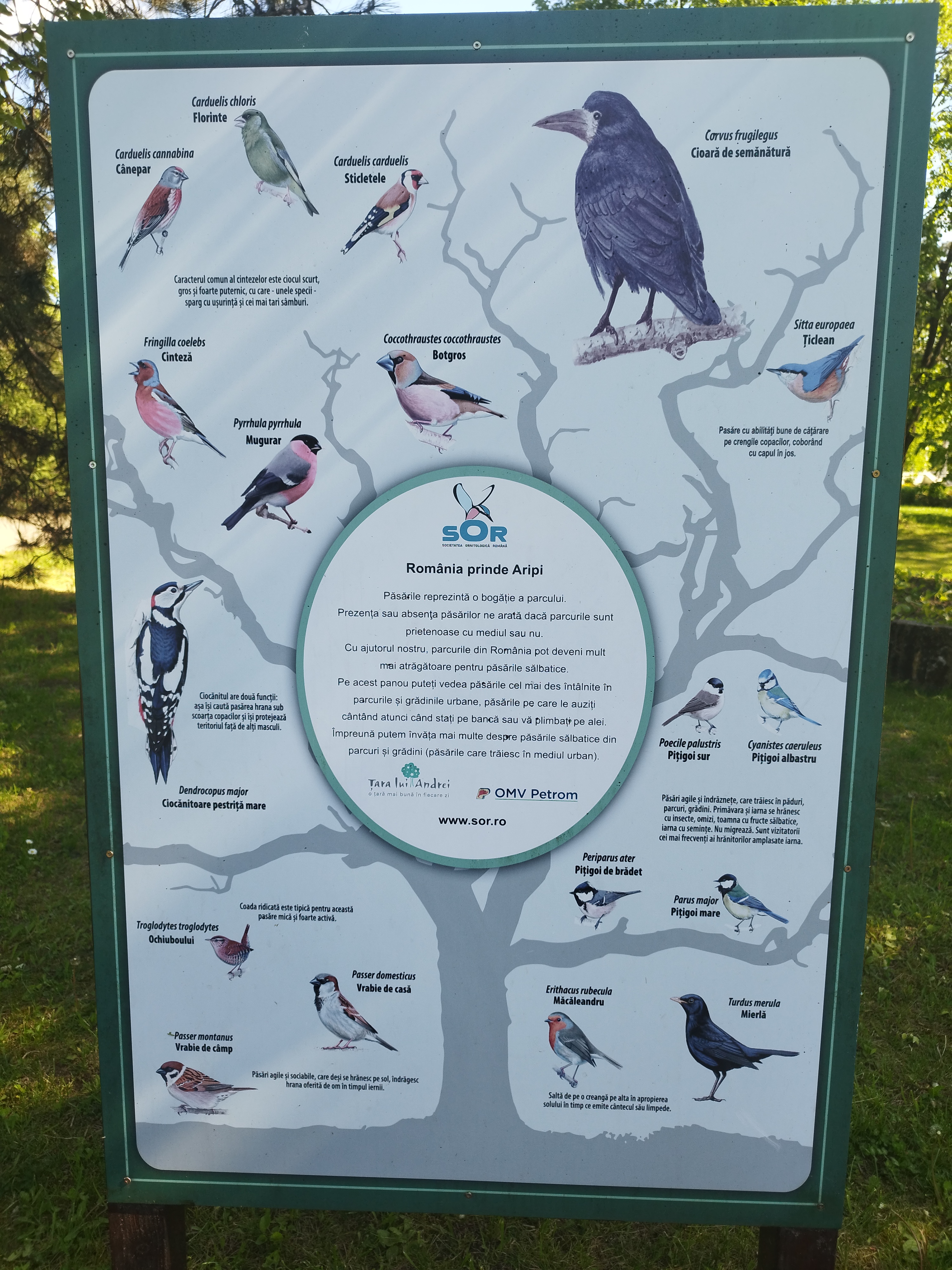
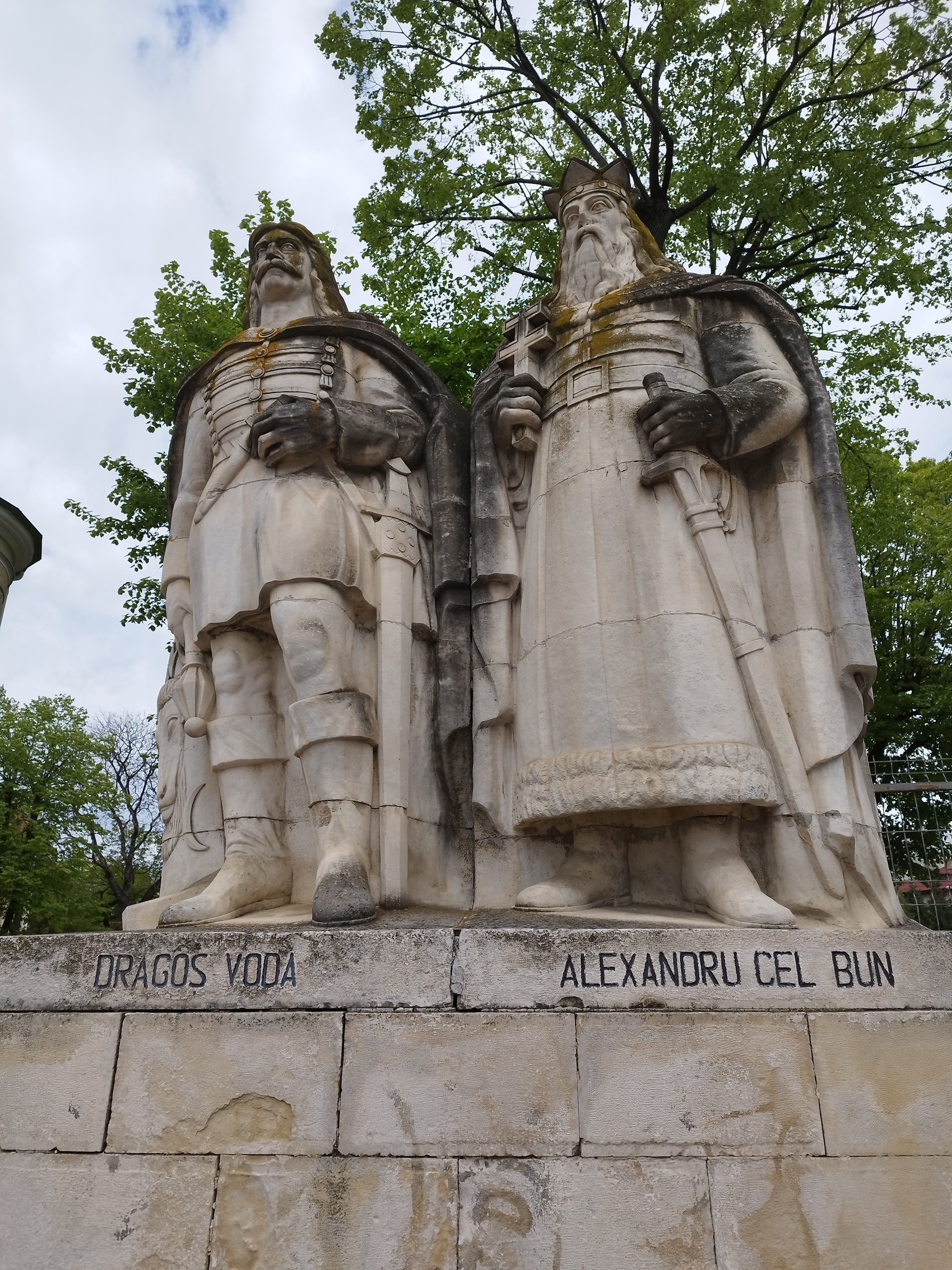
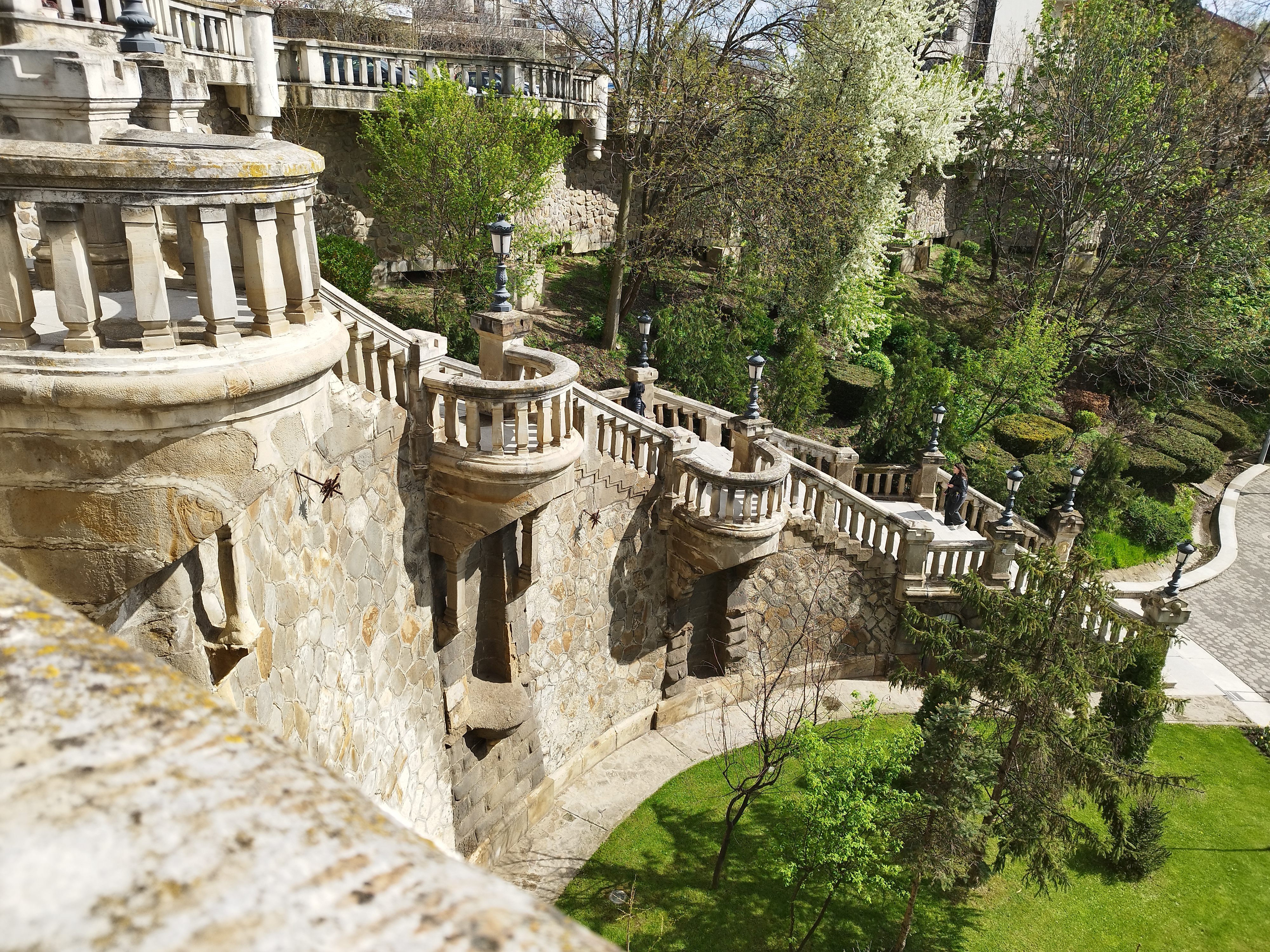
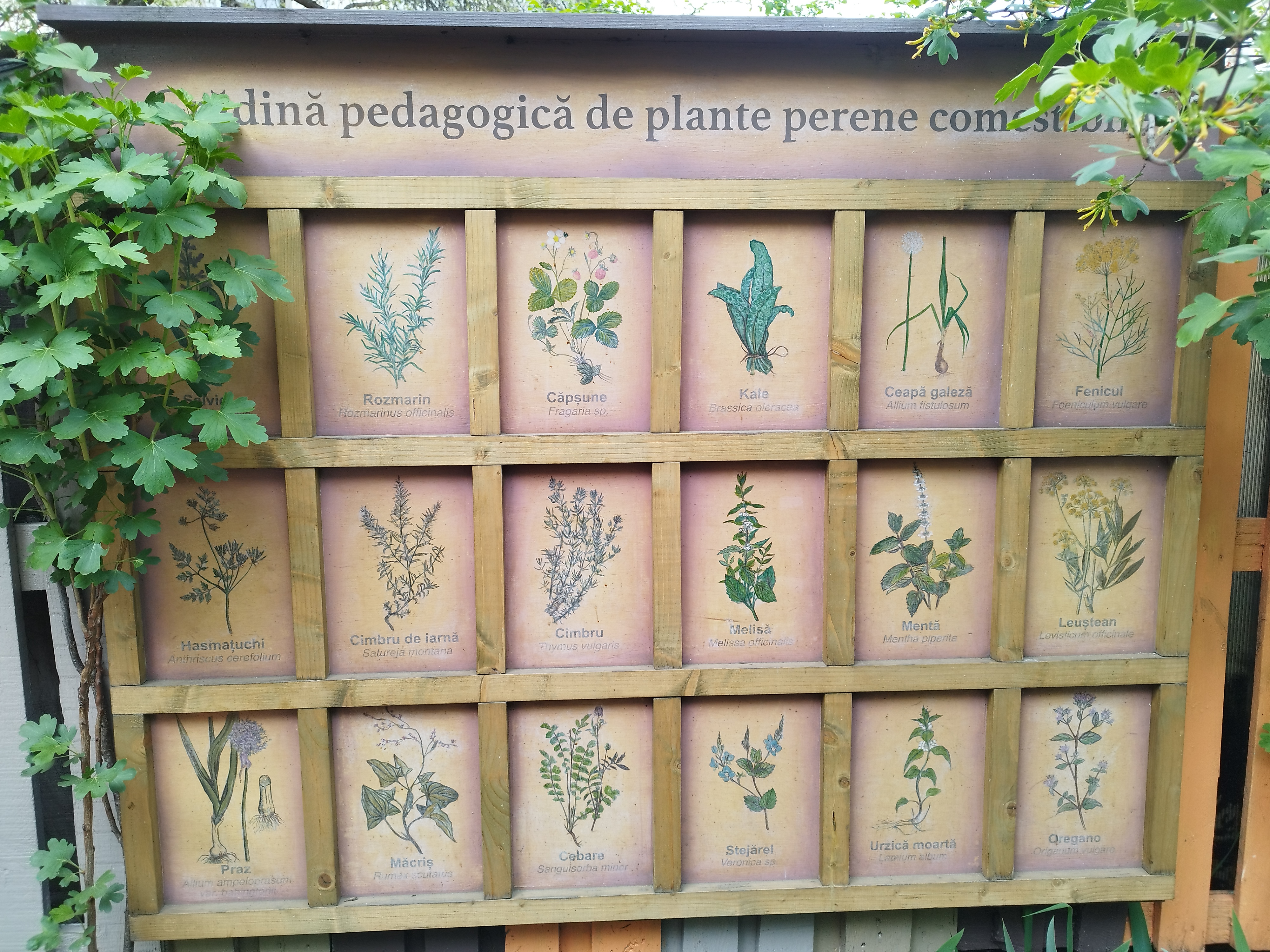
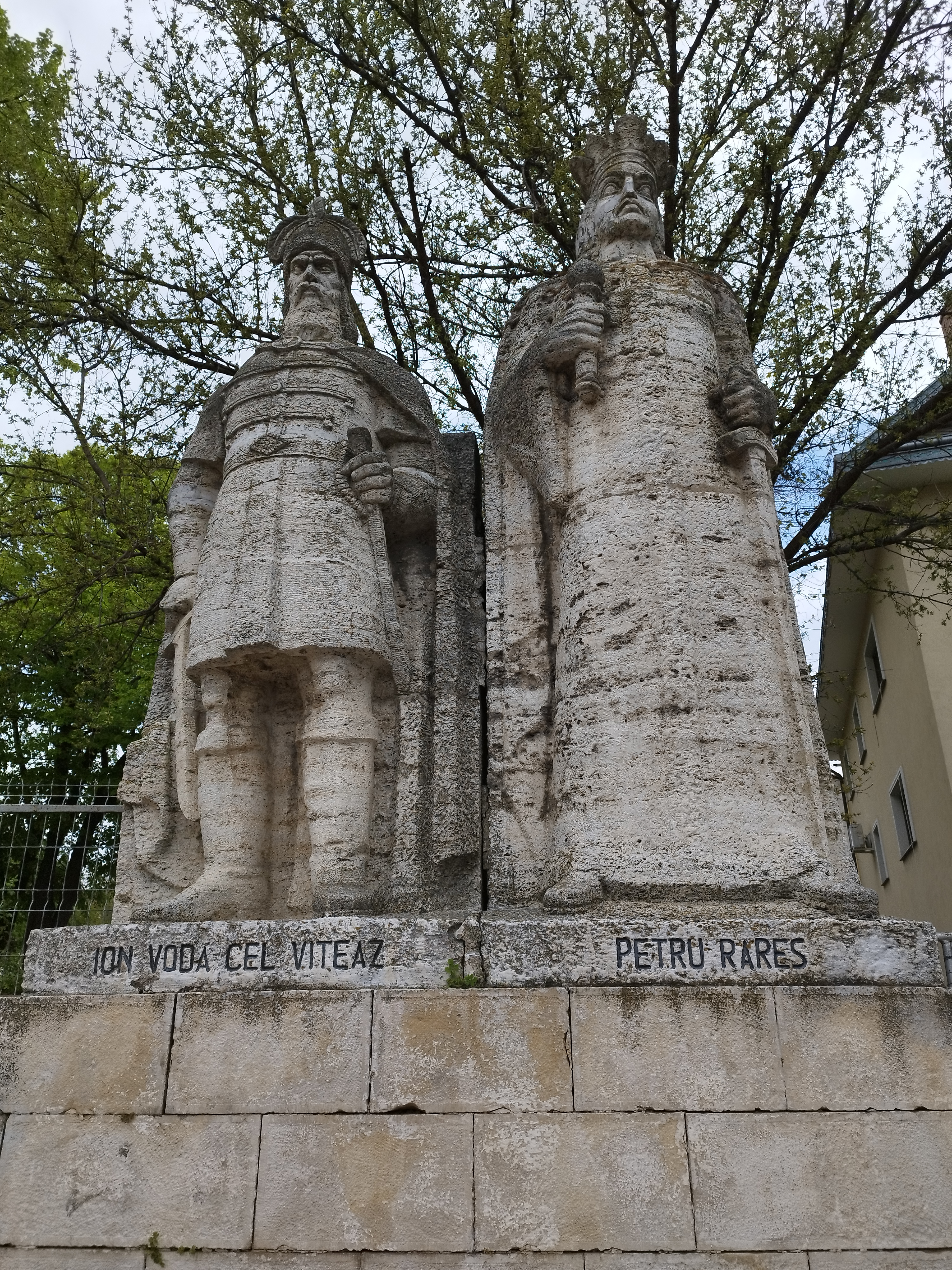
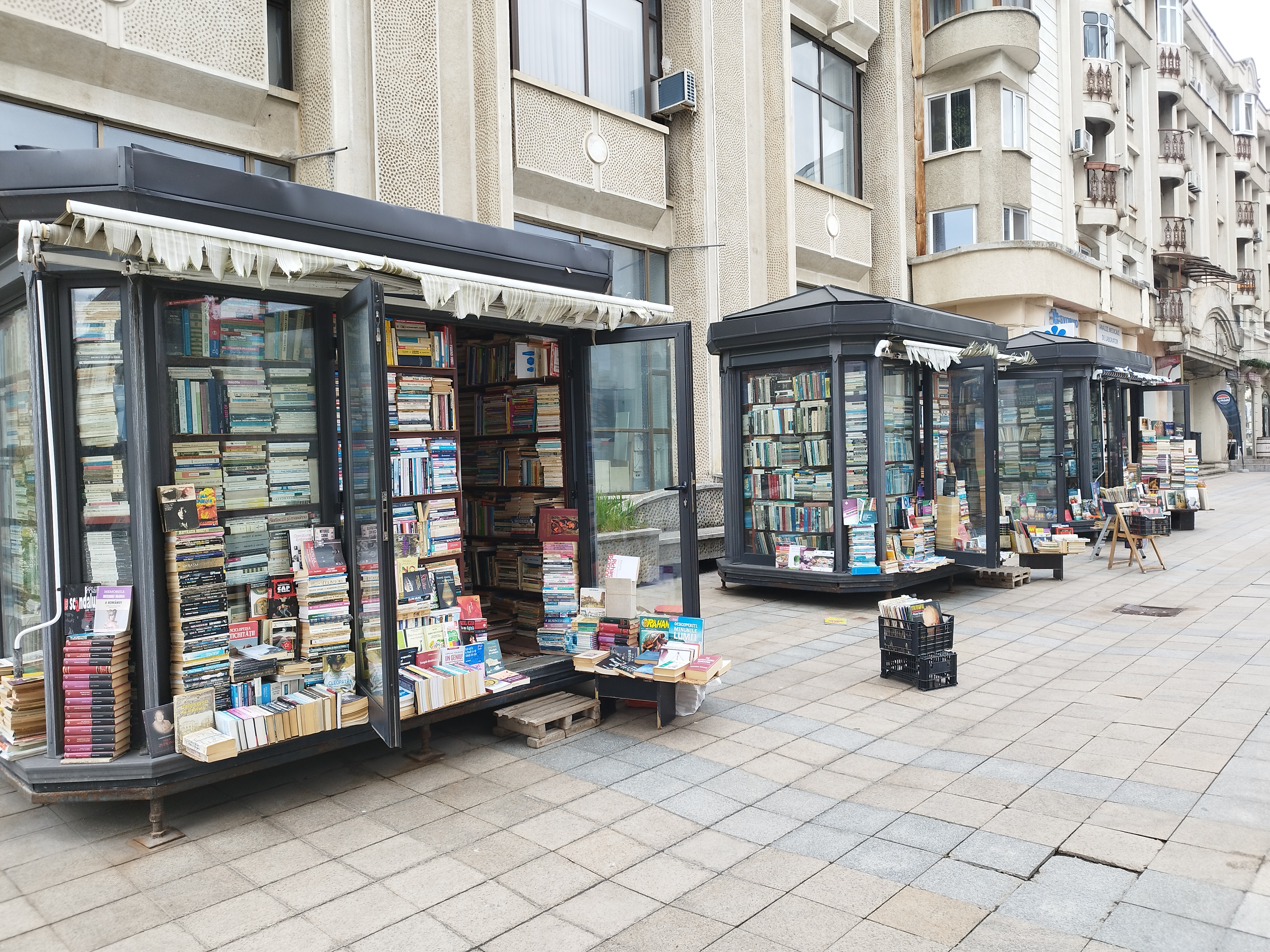
In and around beautiful Iași.


Leave a comment