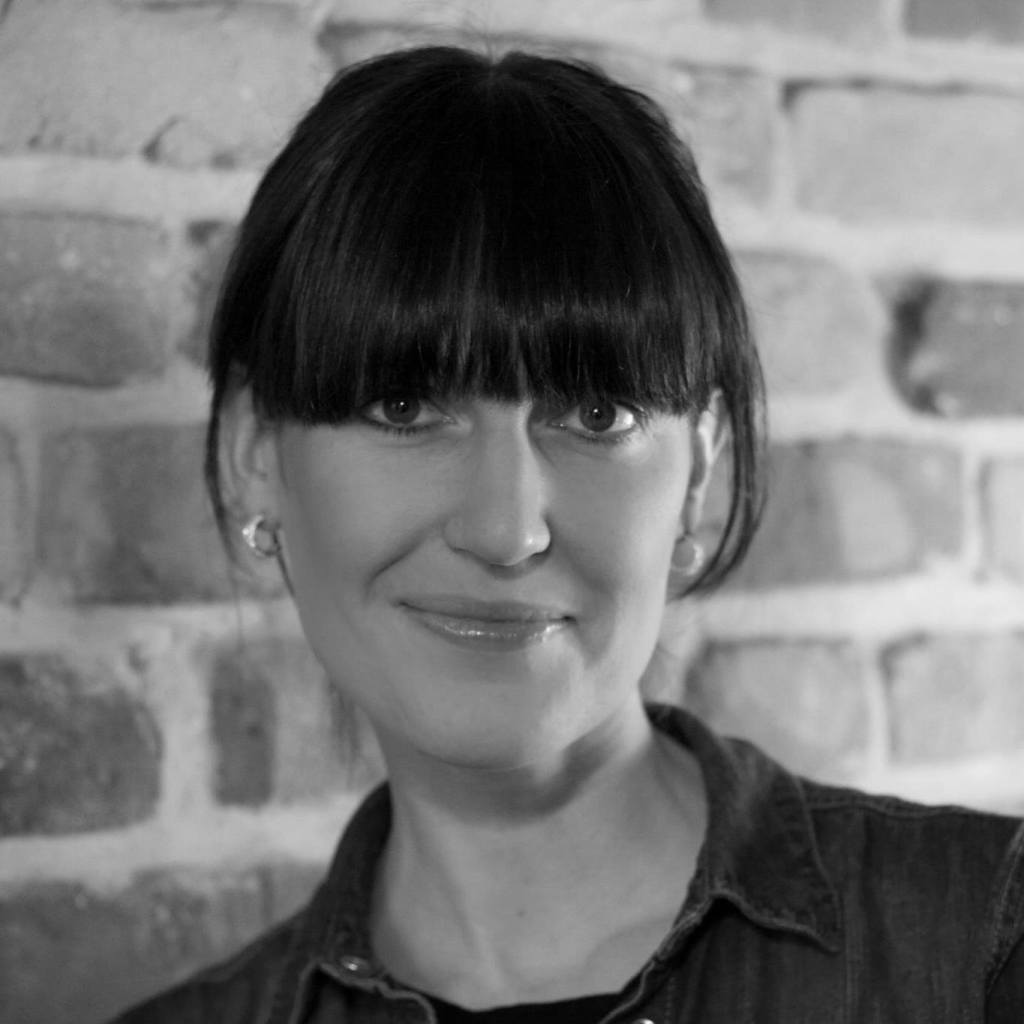
Paula Hedley – Trend Translations (Instagram)
German to English
Fashion, lifestyle, marketing and tourism
This week I am talking to the lovely Paula Hedley, a German to English translator specialising in Fashion, Lifestyle, Marketing and Tourism. Paula is now based in the Allgäu region of Bavaria, but hails originally from Northumberland, in the north-east of England. Her website, LinkedIn and two Instagram pages are all linked from the text box above should you want to contact her!
What are your source and target languages, and how did you learn your source languages?
I translate from German to English. I started learning German at school and have loved it ever since. After going on to study the subject at A-Level, along with French and English Literature, I opted for a BA (Hons) in German and Spanish at Northumbria University in Newcastle and spent the third year of my degree abroad at the University of Applied Sciences in Cologne.
But I would say that I only really started getting to grips with the language once I made the permanent move to Cologne in 2004. After living there for 18 years, I moved to Bavaria, to the Allgäu region, in 2022 – so now I’m having to understand a whole new dialect and accent!
When did you first consider becoming a translator, and why?
A very long time ago – 32 years to be precise! I first realised I had a talent for languages, initially French, when I was at middle school. Our French teacher offered to take a group of students on a coach trip to Germany (to the fairytale castles, half-timbered villages and vineyards of the Moselle Valley) when we were 12, despite German not yet being taught as a subject at our school. It was love at first sight for me and I won the prize for the best diary of the trip – a Teach Yourself German book and cassette. I instantly put them both to good use, teaching myself the basics on my Walkman (!), which gave me a really good head start and ignited my passion for language learning.
I then took German as an option at high school and also participated in two school exchanges to Solingen. On one of those trips, our exchange partners took us to nearby Cologne on the train for the day and, aged 14, standing in the shadows of the impressive Cologne Cathedral, I proudly announced to my friend that I would love to move to Cologne when I was older. When she asked me what job I wanted to do, I told her I didn’t want to be a teacher, like everyone assumed, but a translator and that I didn’t want to translate “boring stuff like instruction manuals, just cool fashion texts and magazines!” As soon as I returned home, I began translating interviews and articles out of German teenie magazine Bravo for fun, equipped only with youthful enthusiasm and a mini dictionary!
After graduating ten years later, I moved to Cologne and became a freelance translator in the fashion sector, so I can definitely say that I made my dream come true!
Did you undertake formal training to become a translator, and if so, what?
Yes, a large chunk of my languages degree course at Northumbria University consisted of in-depth translation and interpreting modules, as well as learning about business, society, culture, history and politics in each of those countries.
What are your specialisms, and how did you choose them?
With my boutique agency Trend Translations, I specialise in fashion, lifestyle, tourism, PR, marketing and communication. Right from the outset, I had clients in the fashion business, which enabled me to carve a strong niche for myself so I set up Trend Translations to cater to precisely that market. For 18 years I translated a number of B2B fashion magazines (J’N’C, J’N’C News, Green Knowledge, TM MEN) for a publishing house in Düsseldorf, but, due to the current economic situation, the company sadly closed down this January.
Over the years I have also been asked to translate a lot of tourism texts (including five issues of a city guide to Cologne), which I love. Texts about sustainability, innovation, media, marketing and communications also regularly land in my inbox!
How did you launch your translation career?
I was incredibly lucky to start my life in Germany working at a PR agency for fashion and advertising photography, which further piqued my interest and introduced me to the glamorous world of fashion!
After taking the plunge to become self-employed a couple of years later, I started translating for magazines, PR agencies, fashion labels and a few of the big German fashion trade shows (Bread & Butter, Bright, Panorama, Neonyt etc.), so the direct clients came by word of mouth and simply by meeting people the good old-fashioned way! I regularly travelled to Berlin during Fashion Week, where I was able to do a lot of networking in person at fashion-related events.
Living in Cologne also meant that I knew quite a few people who worked in the media industry, who sent me jobs translating concepts and subtitles for TV shows, which I always enjoyed.
I’ve only ever worked for a small handful of translation agencies and prefer to focus my energy on finding direct clients.
What CPD do you regularly undertake and recommend?
I can highly recommend taking part in conferences for translators, such as APTRAD in Porto, where I attended a business masterclass with translator extraordinaire Chris Durban, and ELIA in Barcelona and Berlin, where I also gave a talk on ‘Cooperation, not Competition’ to highlight the importance of collaborating with fellow translators and harnessing each other’s strengths, rather than seeing each other as competitors.
Webinars are great for staying in the loop about industry trends and translation tools. And I also recommend reading up everything you possibly can on your specialist subjects – soak it all up like a sponge! I subscribe to a number of fashion magazines such as Drapers and Business of Fashion to stay up to date on all the latest trends and terminology.
Which translation associations or groups are you a member of? Which are most helpful for offering support, and which (if any) are a good source of work leads?
I’m not actually a member of any associations, but I am a big fan of networking with fellow translators for support – both moral and practical! LinkedIn is also very useful for keeping in touch with colleagues and finding work. And of course nothing beats getting to know colleagues in person at conferences and other meet-up events.
What does a normal working day look like for you?
For me, a normal day always starts with a leisurely coffee (aka translation fuel!) and breakfast. After that, I hit my desk, usually from around 9-5, but I have been known to burn the midnight oil when the going gets tough! My ideal working day would be spent juggling different projects on topics that interest me.
When I’m not doing paid work, I try to keep busy by organising my bookkeeping, learning and improving my skills and knowledge and reaching out to clients old and new. To offset the effects of my sedentary ‘desk jockey’ lifestyle, I break up the day with walks by the river next to my house or a Yoga with Adriene session. I’m also partial to a spot of digital nomadism in sunnier climes when the wanderlust kicks in – have laptop, will travel!
What is the most satisfying translation project that you have worked on recently?
Anything in print – seeing your name in the ‘Contributors’ section never gets old! I love translating magazines and I’ve been privileged to work on some very high-end, glossy print projects over the years, including an award-winning, annual corporate magazine, as well as countless issues of fashion mags, company brochures, trade show guides etc.
I have a lot of experience in the creation of print publications – not only in the translation, copyediting and final proofreading stages with the graphic design team, but also the project management side of things. And the finished results all take pride of place on my office bookshelves. Long live print!
How would you like your translation career to progress over the next 5 years?
It’s been a bit of a shock to the system to suddenly experience a downturn in work these past few months. Especially now that everyone and their granny seems to be quite happily relying on shiny, new AI tools for translations and copywriting… ☹
After a solid 20 years of non-stop working and a constant flow of interesting and fun jobs, this is quite hard to digest and I’m certainly not ready to let the robots take over our profession! In the next five years I just hope I can continue working on projects I love and also retain enough of those clients who still respect the translation profession and value the human touch.
What are your thoughts on the future of the translation industry since the advent of AI?
This is a bit of a sore point for me – after such a successful two decades in the business, I’m actually devastated by the way things are now heading. I don’t use ChatGPT or DeepL (just call me old-school!) and I’m not in the slightest bit interested in post-editing translations regurgitated by AI tools, which I believe results in texts of inferior quality, as well as being much more time-consuming and paying considerably less. Plus it’s just not how I want to spend my days. And if the effort hasn’t been made to write a text from scratch, why should the target audience take the time to read it?
Nevertheless, I’m convinced that once the hype dies down, there will be a renewed emphasis on human intelligence and I plan on sticking around for when that happens.
Have you diversified, or do you plan to diversify, into another career?
I don’t have any concrete plans as such as I really don’t want to turn my back on the translation profession, but if the work does eventually dry out completely, I might look into a career related to travel. I’m well-known among my friends for being clued-up on the best hotels, bars, restaurants and cafés in far-flung destinations and they’re constantly asking me to send them travel tips about where to go and what to do on holiday, so maybe I could do something along those lines.
Failing that, I’d love to open my own guesthouse by the sea or in the mountains one day – the ultimate dream!
What are your dos and don’ts for new translators just starting out?
DO make yourself seen and heard! When I first started out more than 20 years ago, most translators were happy to remain invisible, but I’ve always believed that it’s important to make a name for yourself, foster strong relationships and cement your reputation with the right clients to ensure you become their trusty go-to translator.
DO immerse yourself in your chosen field by attending trade shows, getting your name out there and building your own brand as a translator.
DO collaborate with fellow translators, sharing large-scale projects and revising each other’s texts. By sharing the workload, you can learn so much from each other and meet deadlines faster. Translation can be a lonely profession, but it doesn’t have to be!
DON’T be afraid to reach out to more seasoned translators for support and advice – most of us are only too happy to pass on our experience and wisdom.
And whatever you do, DON’T let the current wave of technology and AI developments get you down or suck the fun out of translation – stay creative and connected!
This has all been very interesting, Paula, thank you. I feel your pain with regards to the impact AI has had on your work. I have taken a stand and refuse to undertake any MTPE (Machine Translation Post Editing) work. Aside from the fact that it is hideously underpaid, it is frustrating and ungratifying work. Even with humans trying to clean up the mess, the end result comes a very poor second to getting the job done properly by a professional translator. Fingers crossed clients soon realise this, and if translators stop taking on the clean-up role, that realisation might be reached even sooner.
 Love Languages
Leave a comment