Anybody who followed this blog when it was still Status Viatoris (and I was still a care-free modern-day nomad living in Italy), may remember me writing on the subject of bats about 14 years ago. The protagonist then was a cat-injured pipistrelle – Petronella, who spent a month or so recovering her health with me and my late, great, rescue pooch – Strauss.
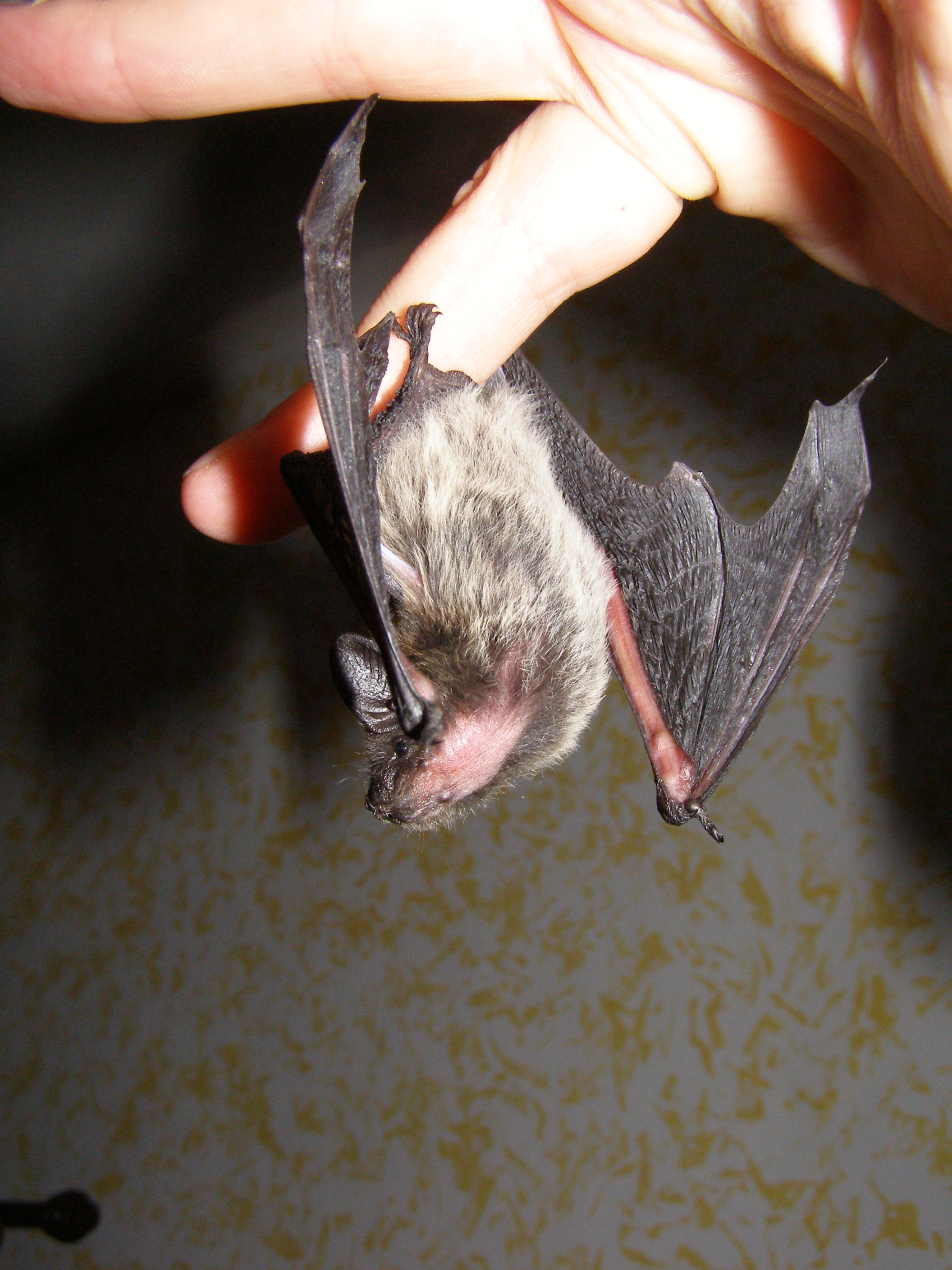
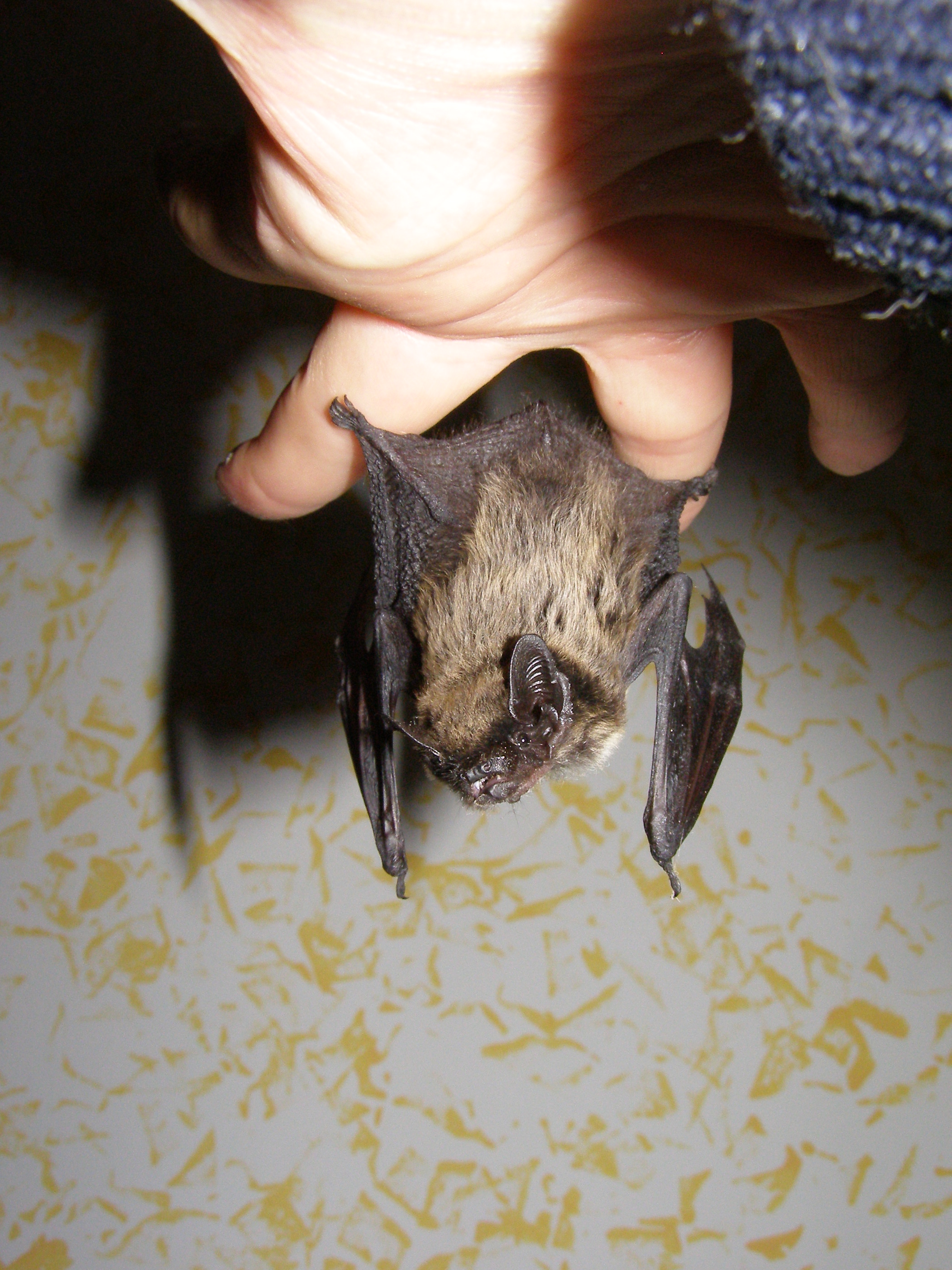
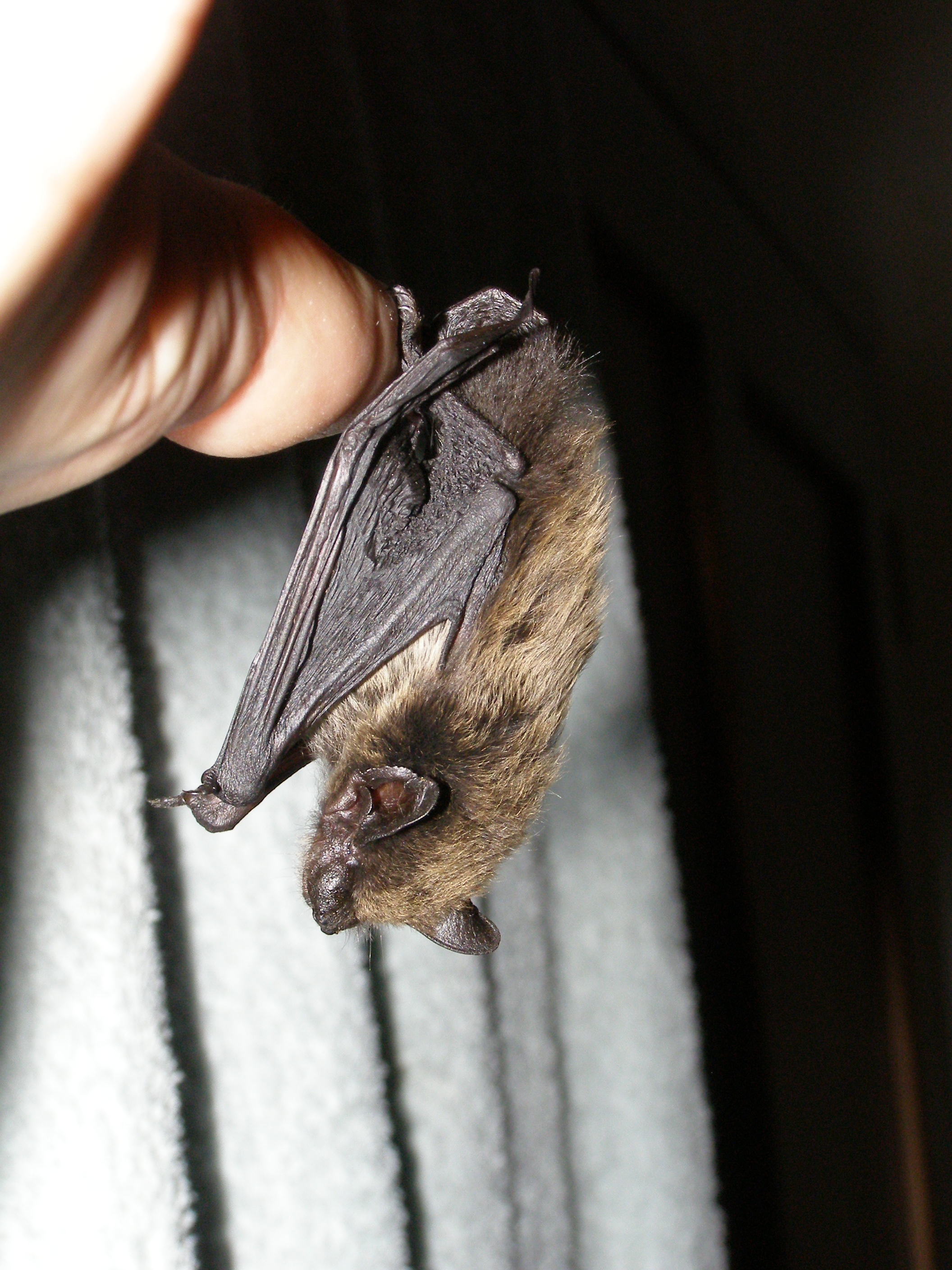
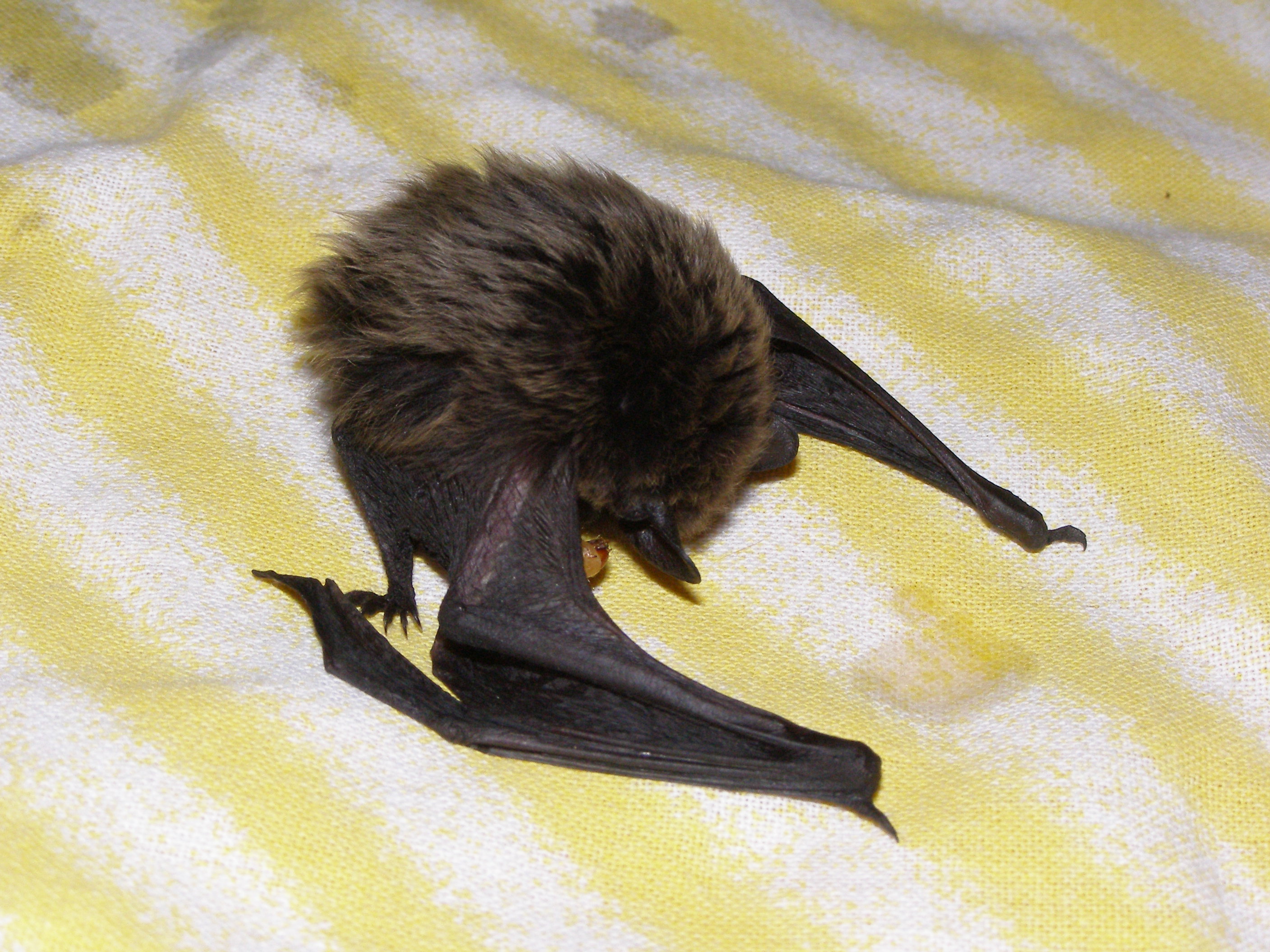
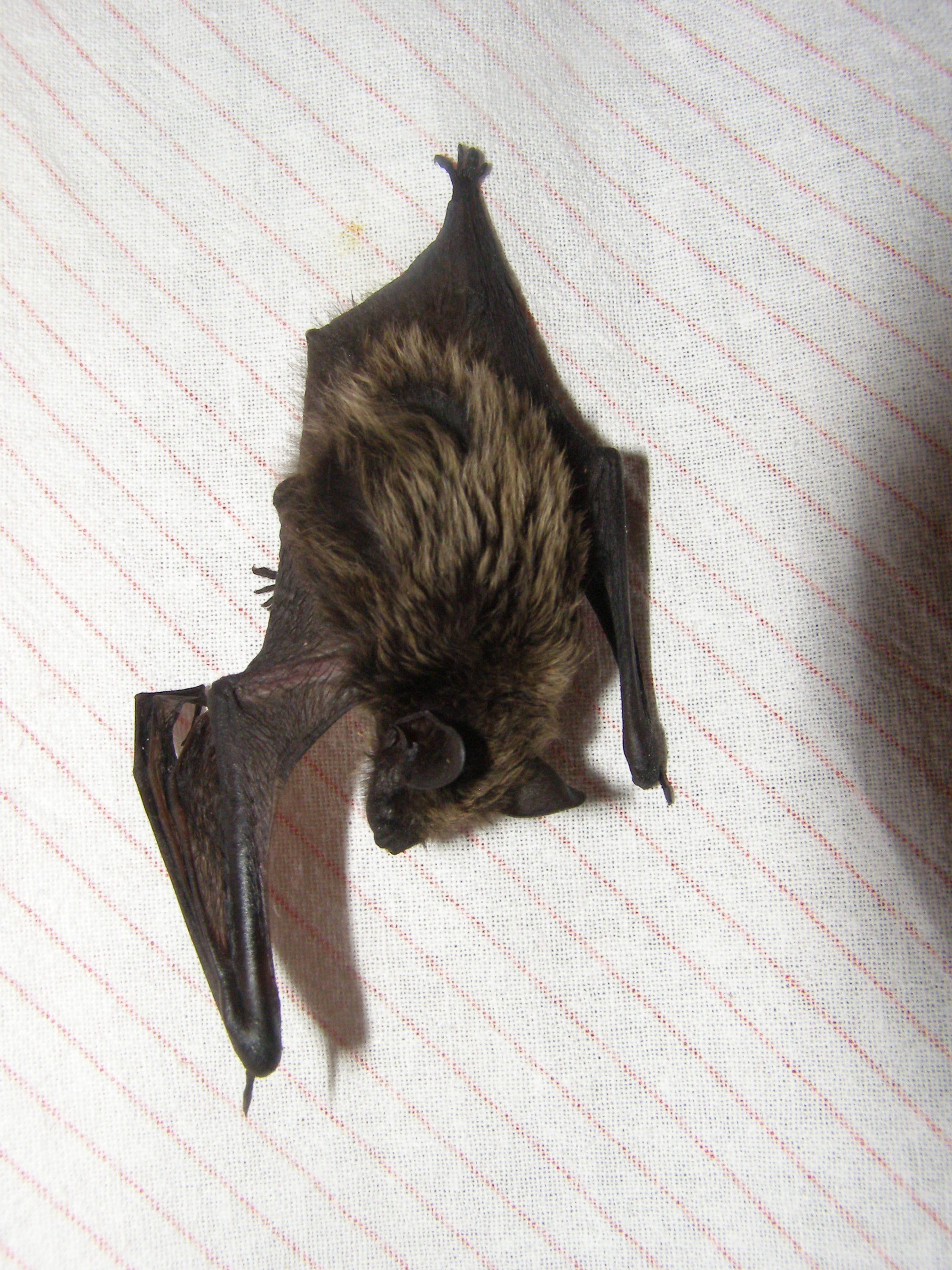
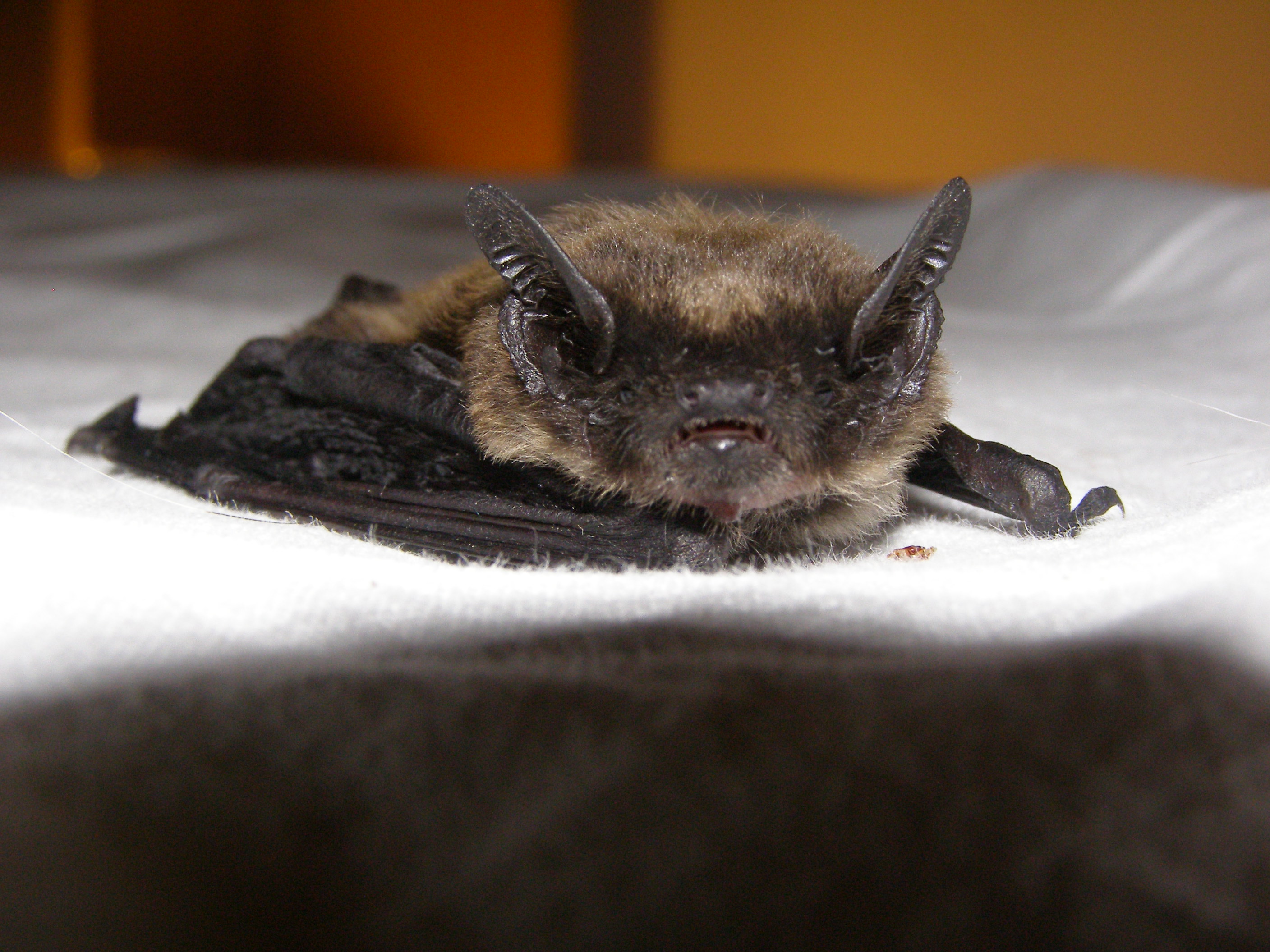
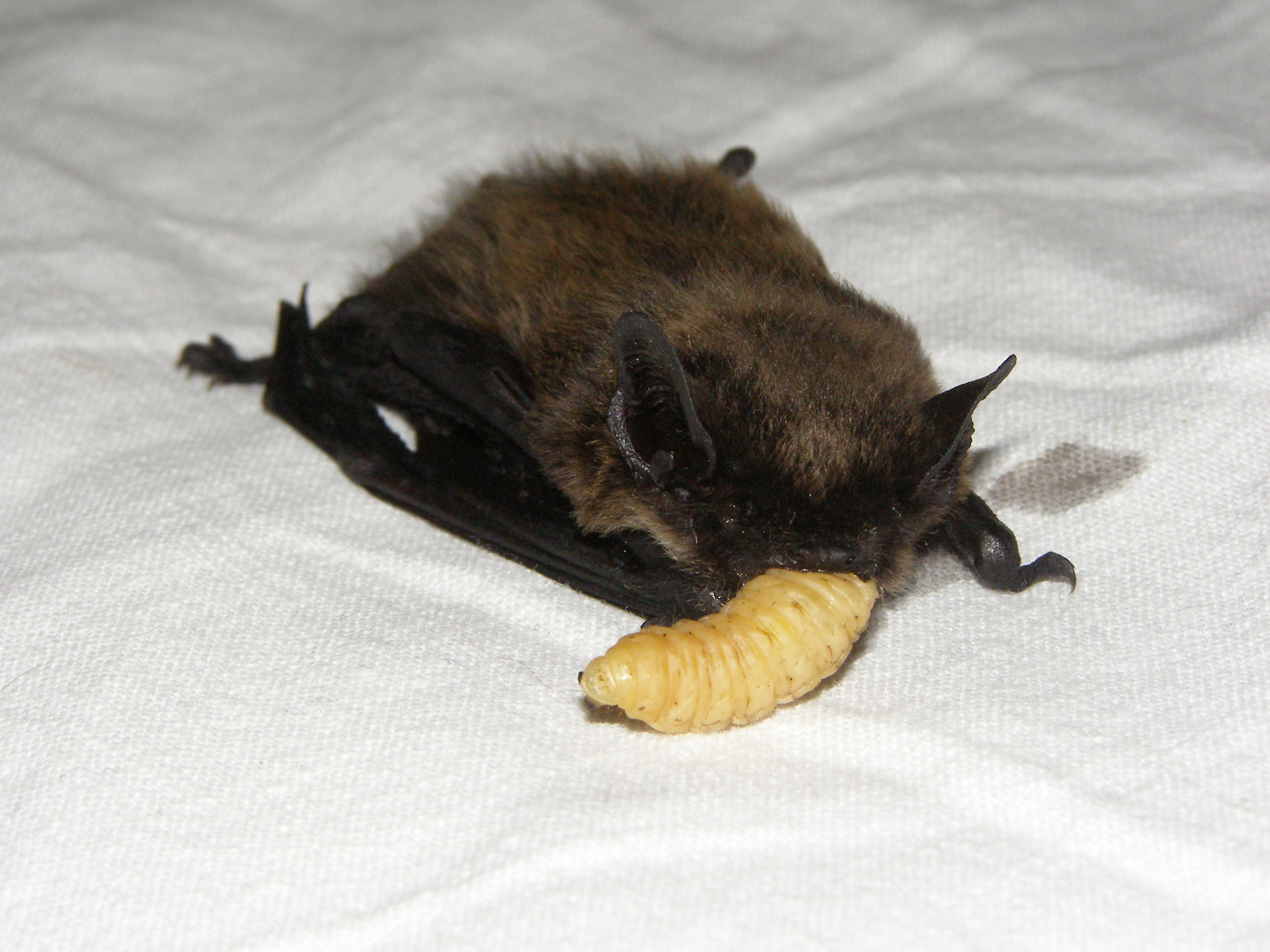
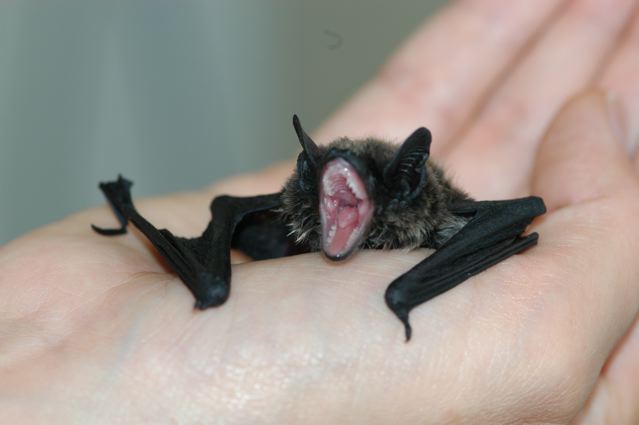
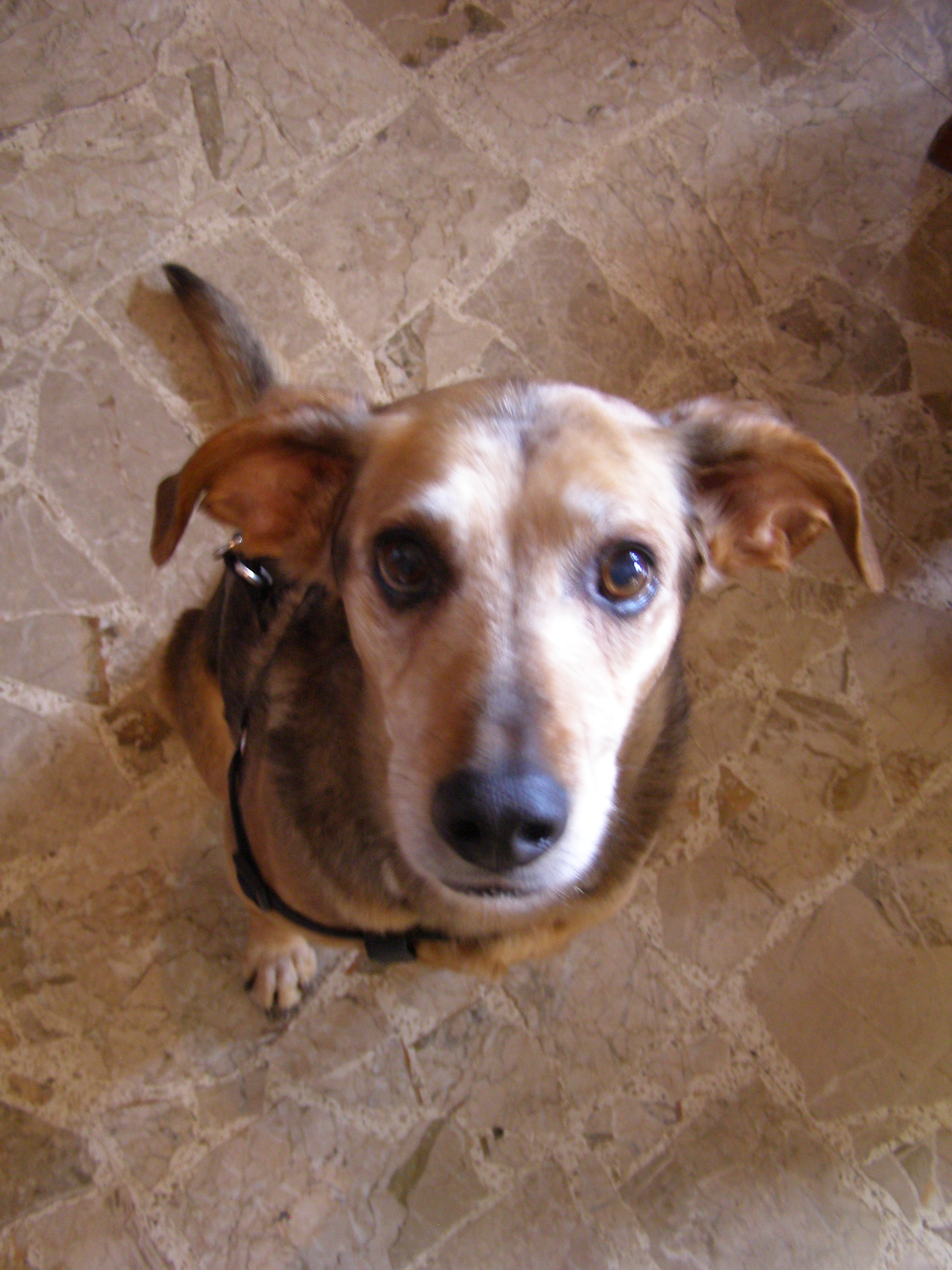
I shall let you work out who is who.
It wasn’t my first time rehabilitating a bat, in fact our family home in the Northamptonshire countryside was a bit of a magnet for injured and/or ill bats, not to mention other wildlife, during my childhood. So when, in quick succession a few weeks ago, we came across not one, not two, but three baby pipistrelles hanging almost at ground level on the outside wall below their roost, we were able to spring into action.
Just to make sure we were dealing with deliberate parental abandonment and not absentminded offspring misplacement, we hung them up overnight in the company of a hot water bottle, to give their parents the opportunity to drop by and collect them. When that didn’t happen, we de-cobwebbed and dusted down our decades-old bat-rehabilitation unit (a plastic bread bin with holes drilled in the lid) and got to work.
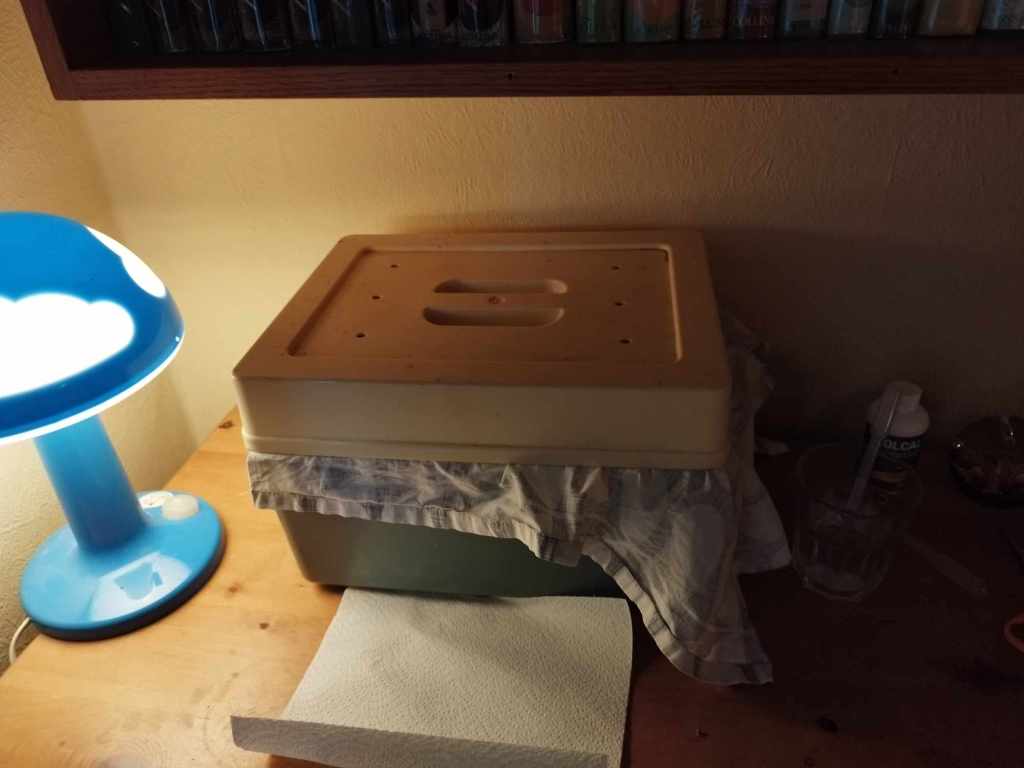
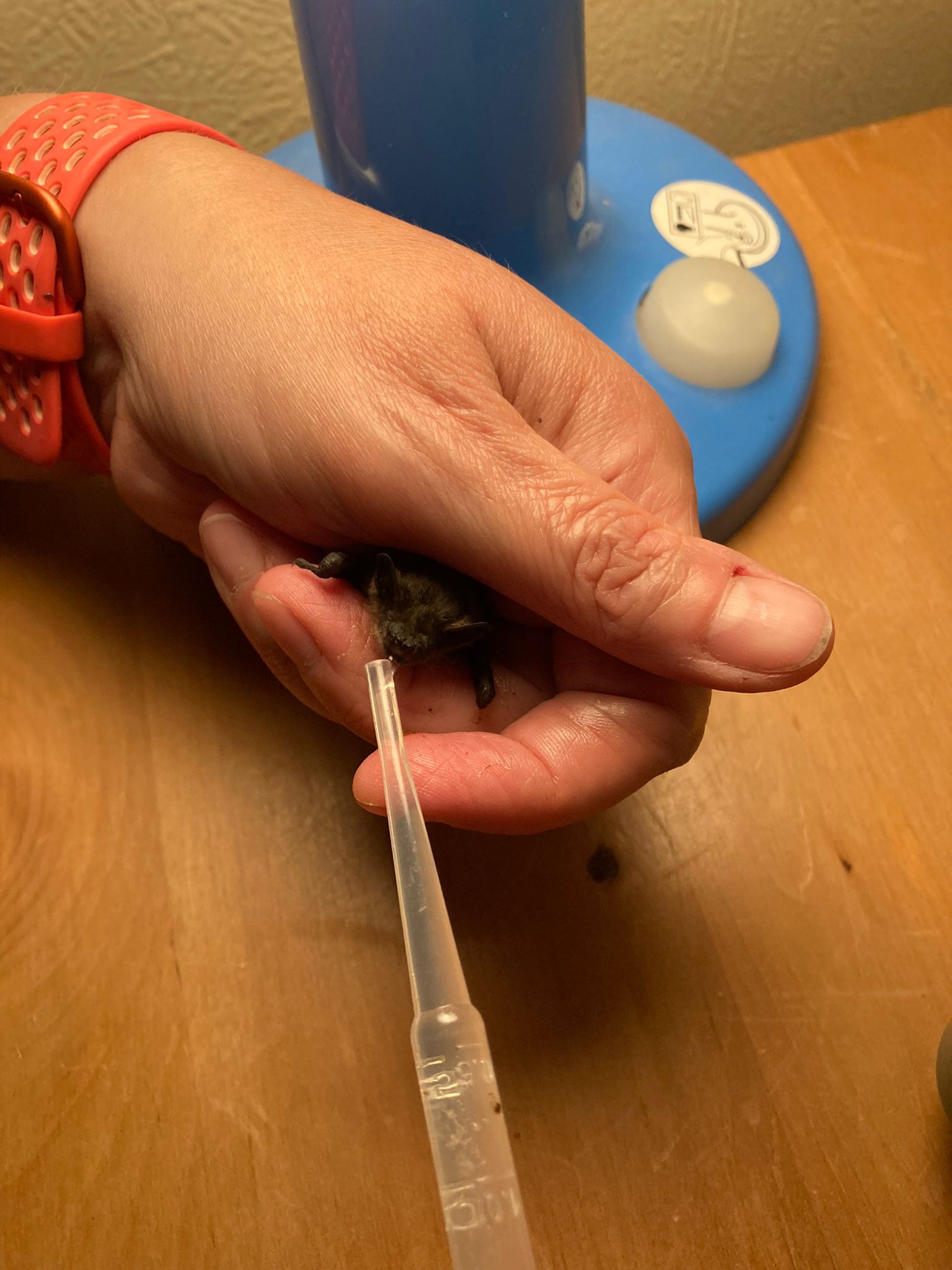
Having never had to care for such young bats (the only baby I came across in Italy was collected by a parent after I hung it from a towel on my balcony), I took advice from The Bat Conservation Trust website and began by addressing possible dehydration with the help of a pipette and some filtered water with a dehydration tablet dissolved in it.
The next step was food in the form of mealworms. An adult bat can chomp its way through an entire mealworm with little or no human intervention, but for these youngsters the mealworms heads must first be removed with a pair of scissors, and then the innards squeezed into the bats’ mouths. It is a very sticky business.
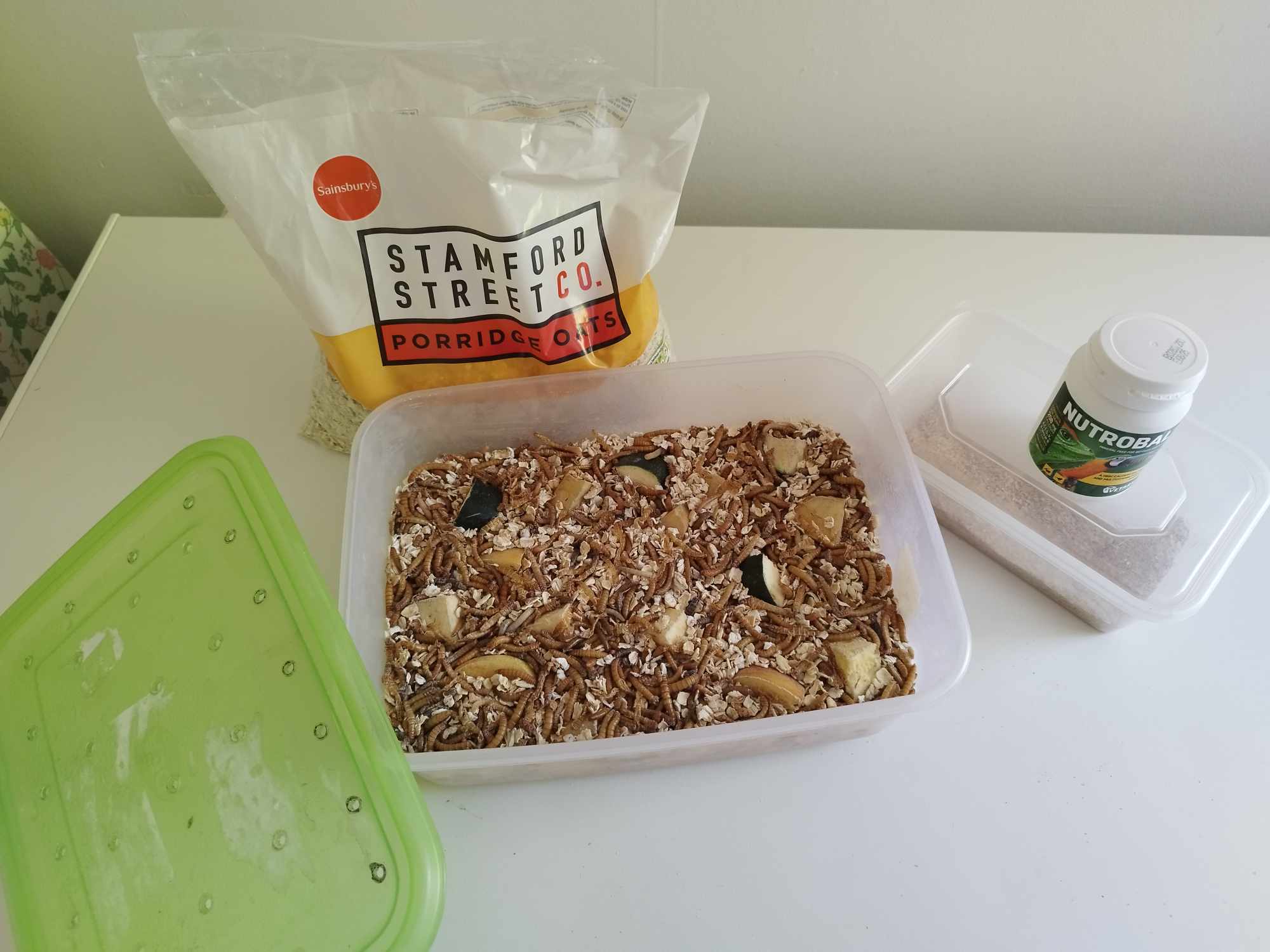
The mealworms require almost as much care as the bats themselves. They are kept in a ventilated box with a mixture of oats, various food supplements, and fresh veg which must be replaced daily. They then need to be sieved out of their peed-on haute cuisine/bedding a few times a week so that it can be replaced with fresh. Given their only purpose is to provide nutrition for growing bats, it is important to ensure they are as nutritious as possible – and they are what they eat, after all. In short, their lives are fleeting, but cushy.
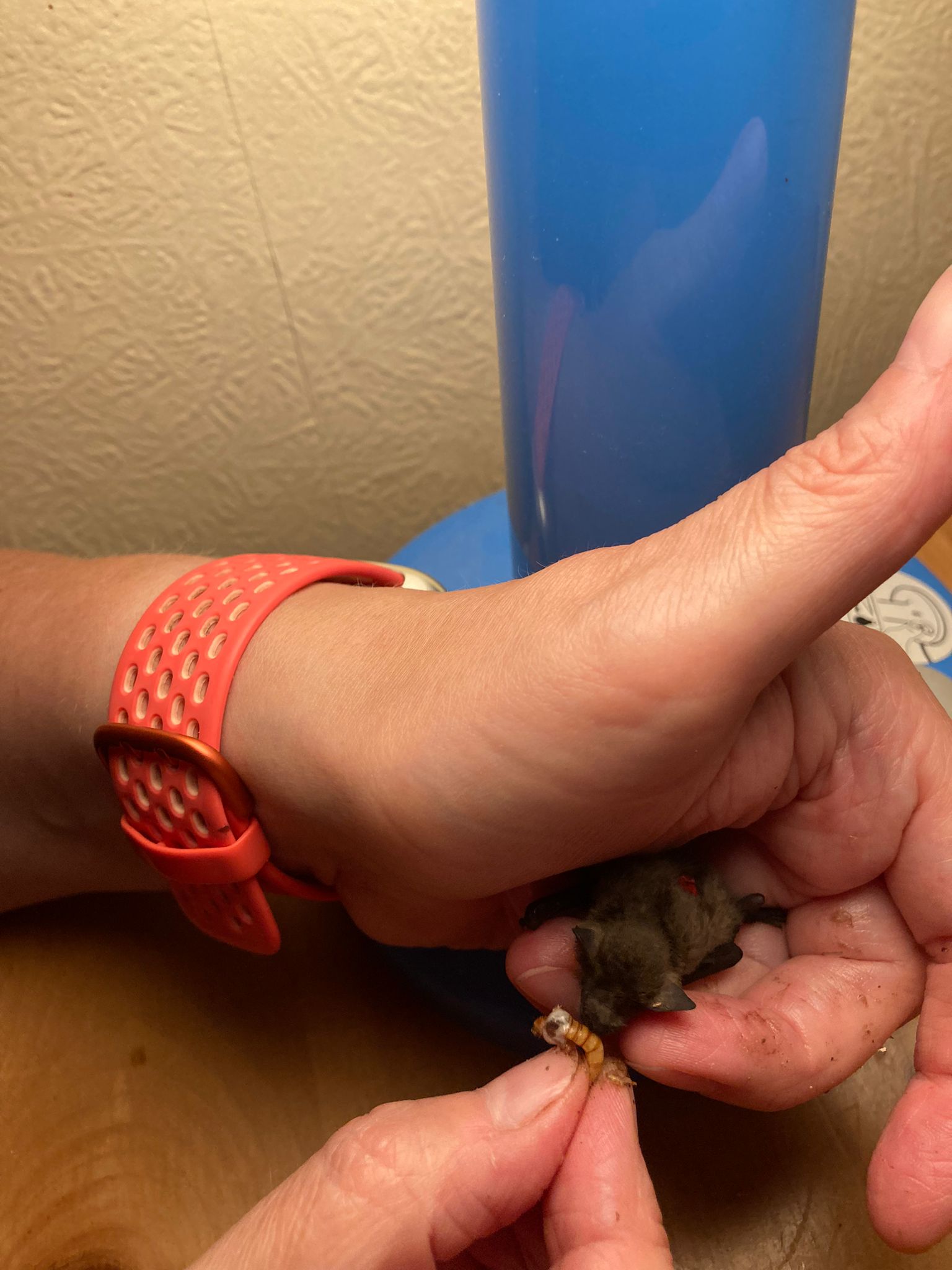
So why were these young bats abandoned? Well, we can only surmise that it was due to this year’s catastrophic shortage of insects. Insect-life has already been suffering vast losses through human-inflicted loss of habitat, modern farming methods, climate change and much else, (read more here). Throwing an extremely cold and wet British spring/summer into the mix has been devastating to all insect feeders struggling to find enough food for themselves, let alone their offspring. An adult pipistrelle eats up to 3,000 insects a night – it is not hard to imagine that this would be impossible to sustain in the current climate. The pressure of finding additional food for weaned young must have left them with no alternative but to abandon them to their fortune.
So back to our three abandoned babies, who after 10 days were very sadly down to two. The largest, despite being initially more active than the others, proved impossible to feed. It did drink, and would occasionally accept a mealworm, but while the smaller two would eat up to 10 each at a sitting, I was lucky if the larger bat would take one. In my 40ish years of being around bats, I have never found one that did not demolish proffered mealworms with gusto, so I suspect there were underlying problems. Nevertheless, it is never easy to lose an animal in your care, and I will always wonder if I could have done more.
The surviving two, Lemon and Cherry (named after the yellow and red nail varnish splodges my daughter put on their backs to differentiate between them) are now into a good plumping up and strengthening routine. After their evening feed they run around on the curtains until they find the perfect spot to groom, stretch their wings and perform little batty push ups. While the bread bin has material inside along the sides for them to hang up on, the extra space provided by the expanse of curtain enables them to get the exercise required to strengthen and stretch their wings and bodies in preparation for eventual flight.
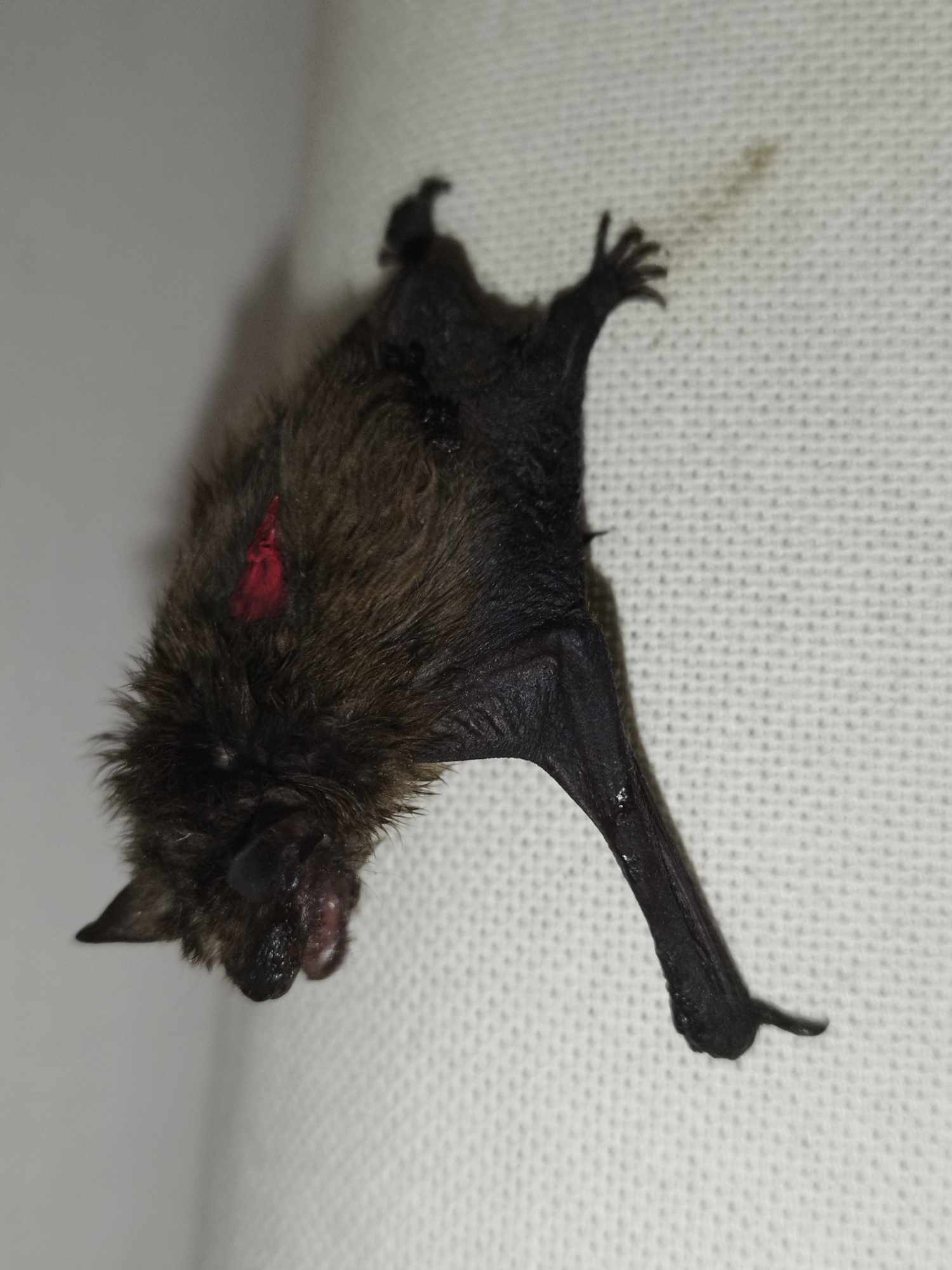
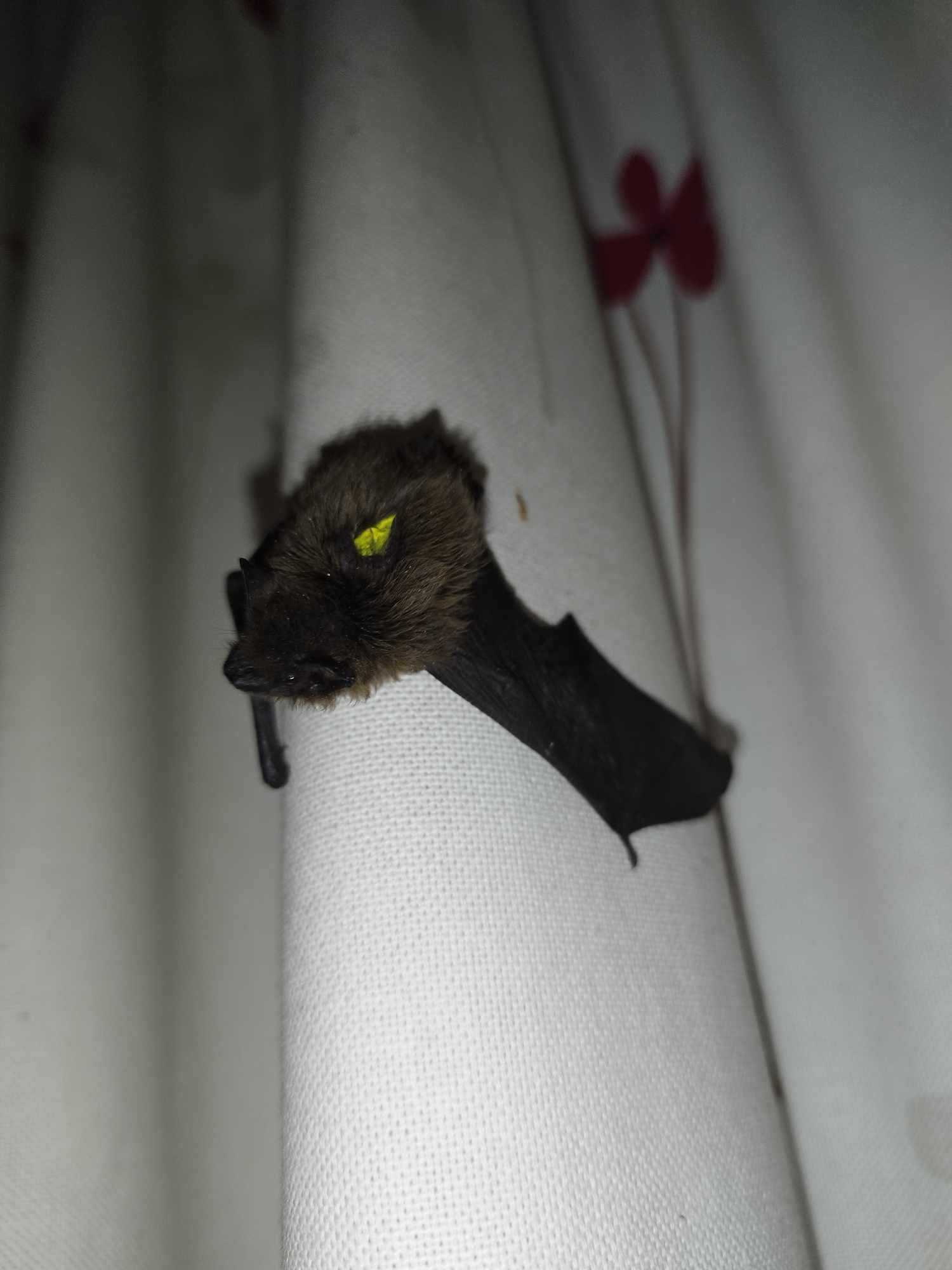
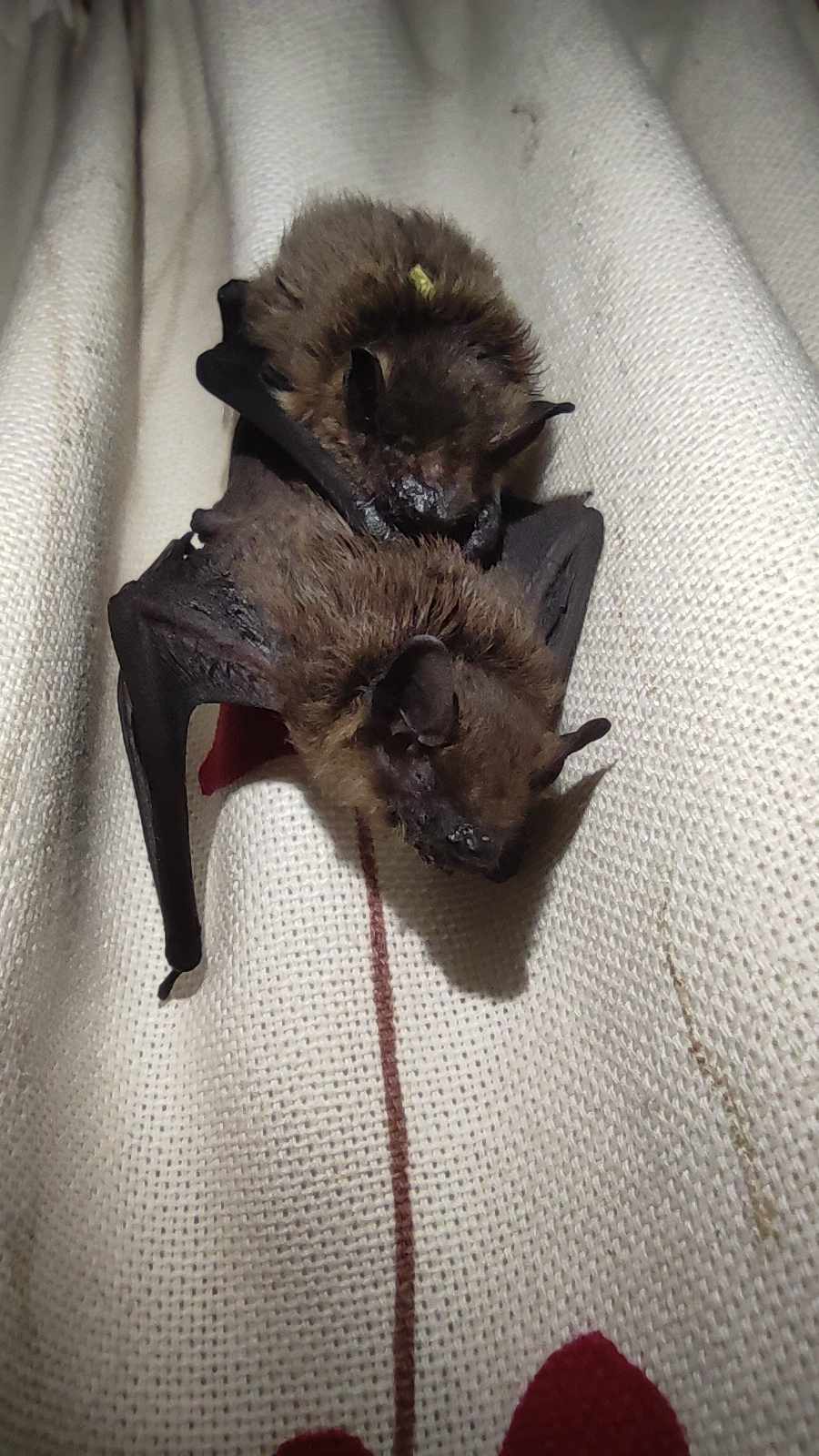
On approaching my local bat group for advice on the non-eating baby, they suggested I might want to join their ranks as a Northamptonshire volunteer bat carer, which would mean doing this more often, as well as taking advice on honing my rehabilitation skills and updating my kit. In true glutton for punishment style, I of course said yes.
So there we are. I shall be losing an hour and a half each evening for the next month or so until, hopefully, these two are strong enough to be released. They will then need to acquaint themselves with all the natural bat behaviours I am not in a position to help them with, before retiring into hibernation in November. I dearly hope that next year will be kinder to them and their species.
Being connected to the natural world at this level is bittersweet. I had the fortune (or perhaps misfortune, if you wish to live your life with any peace of mind) of being brought up in a family that was very aware of the pressures being exerted on our environment and all living things we share it with. Parents who devoted their lives to turning a patch of land into a nature reserve, family and friends who were experts on all manner of plants, animals and insects. I remember as a child being astonished that neither my friends, or at the very least their parents, were aware of the changing climate and the negative consequences that were likely to ensue. I was perplexed by their lack of knowledge or even curiosity regarding the wildlife they lived alongside. Neither require deep study, after all, both being eminently observable for anyone who cared to look.
Keeping a connection to the natural world has always been a fundamental part of my existence, it both enriches my life beyond measure and brings me to the depths of despair.
When I see wild animals dead at the side of the road, I don’t think of them as trying to cross OUR roads, instead I see our roads having crisscrossed and zigzagged brutally over THEIR habitats and well-trodden pathways. I don’t see wildlife coming into OUR gardens, I see human habitation covering the areas in which these creatures once foraged and nested, swarmed, hunt and dug. I look at how much our towns and villages have grown over my lifetime, swallowing up acres and acres of land that was once home to species now being pushed ever further into desperate times.
I appreciate we need roads, and houses, and much of the other un-wildlife friendly detritus of human existence, but how much better would it be if humans were forced to re-connect with the natural world they depend on? If, instead of algebra and Saxon kings, our children were taught to open their eyes and observe, learn about, and appreciate the real world around them? If they better understood how everything fits together and what is at stake if we do not preserve it, then perhaps they would be better equipped to make the difference we all need.
 Love Languages
Leave a comment